
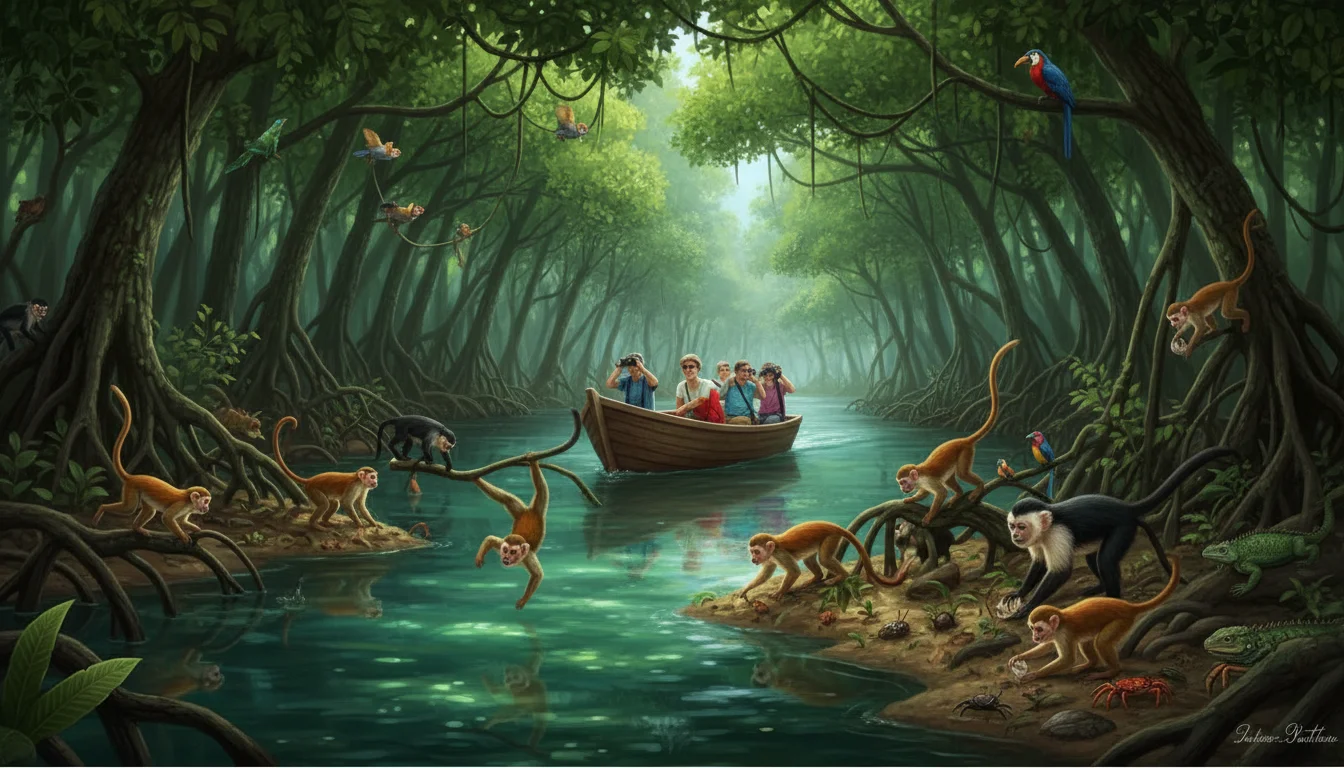
Manuel Antonio Monkey Boat Tour
The best seat for a monkey encounter is on the water. Watch capuchins and squirrel monkeys from a boat as they forage along the Damas Island riverbanks.
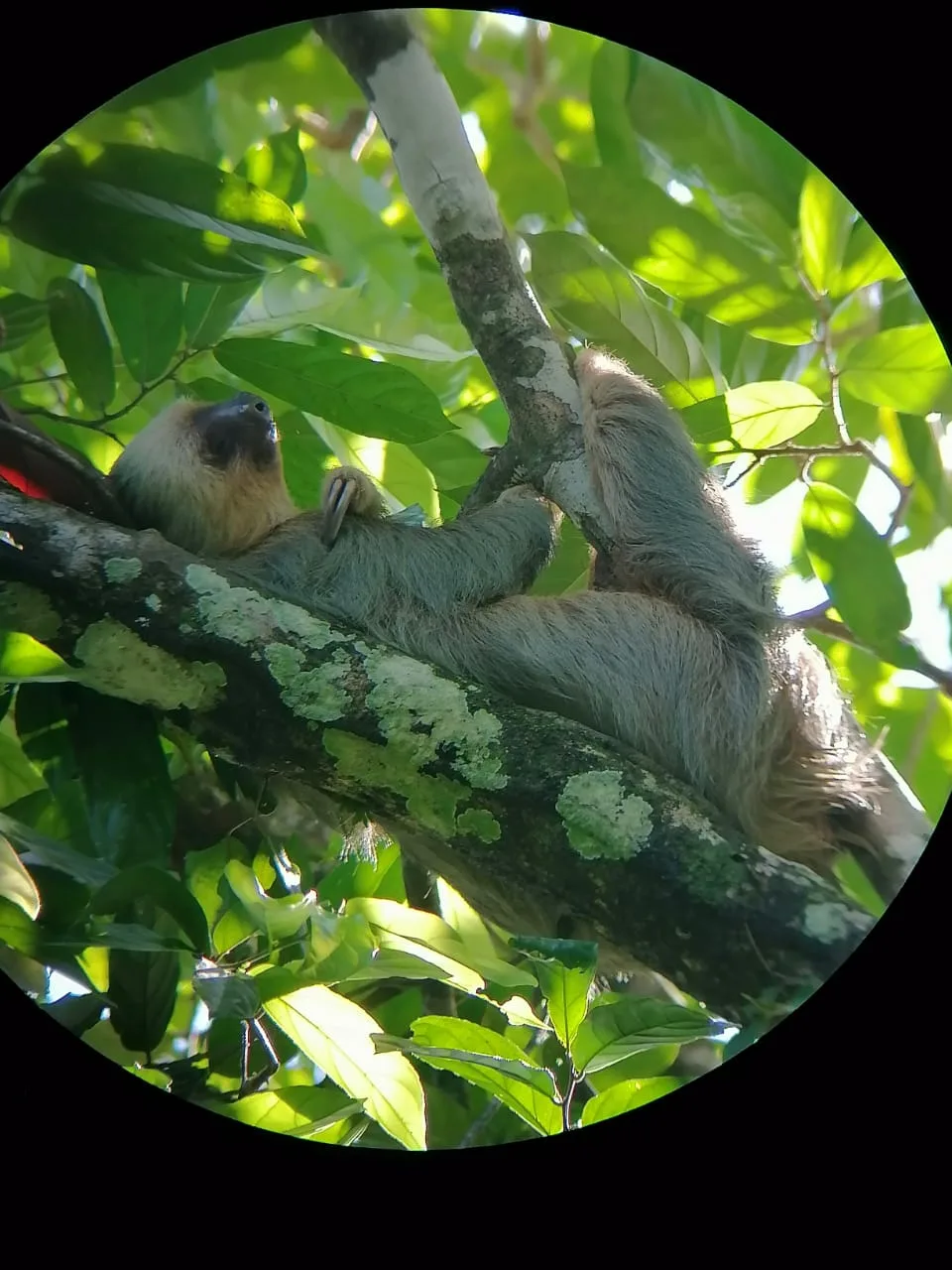
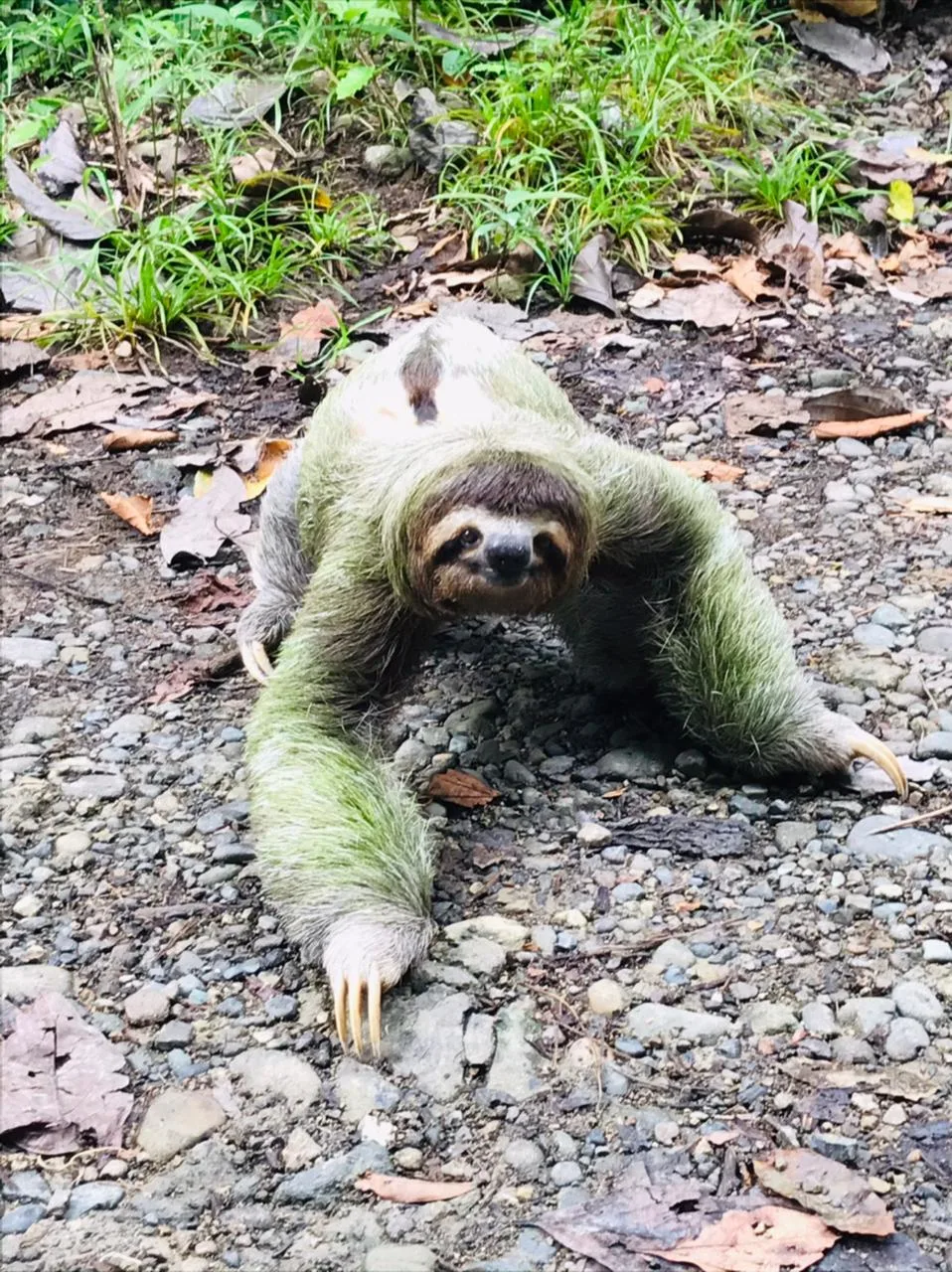
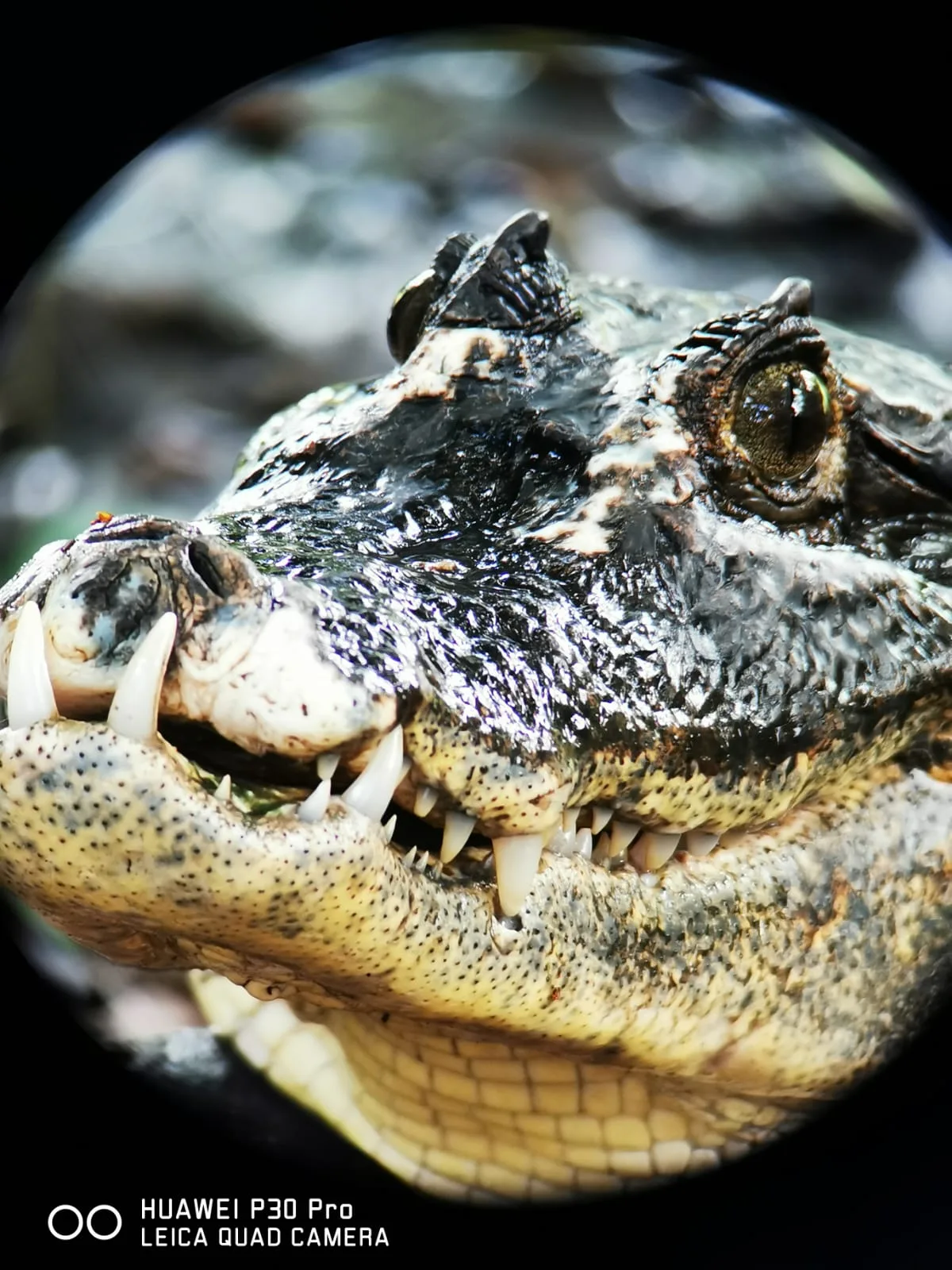
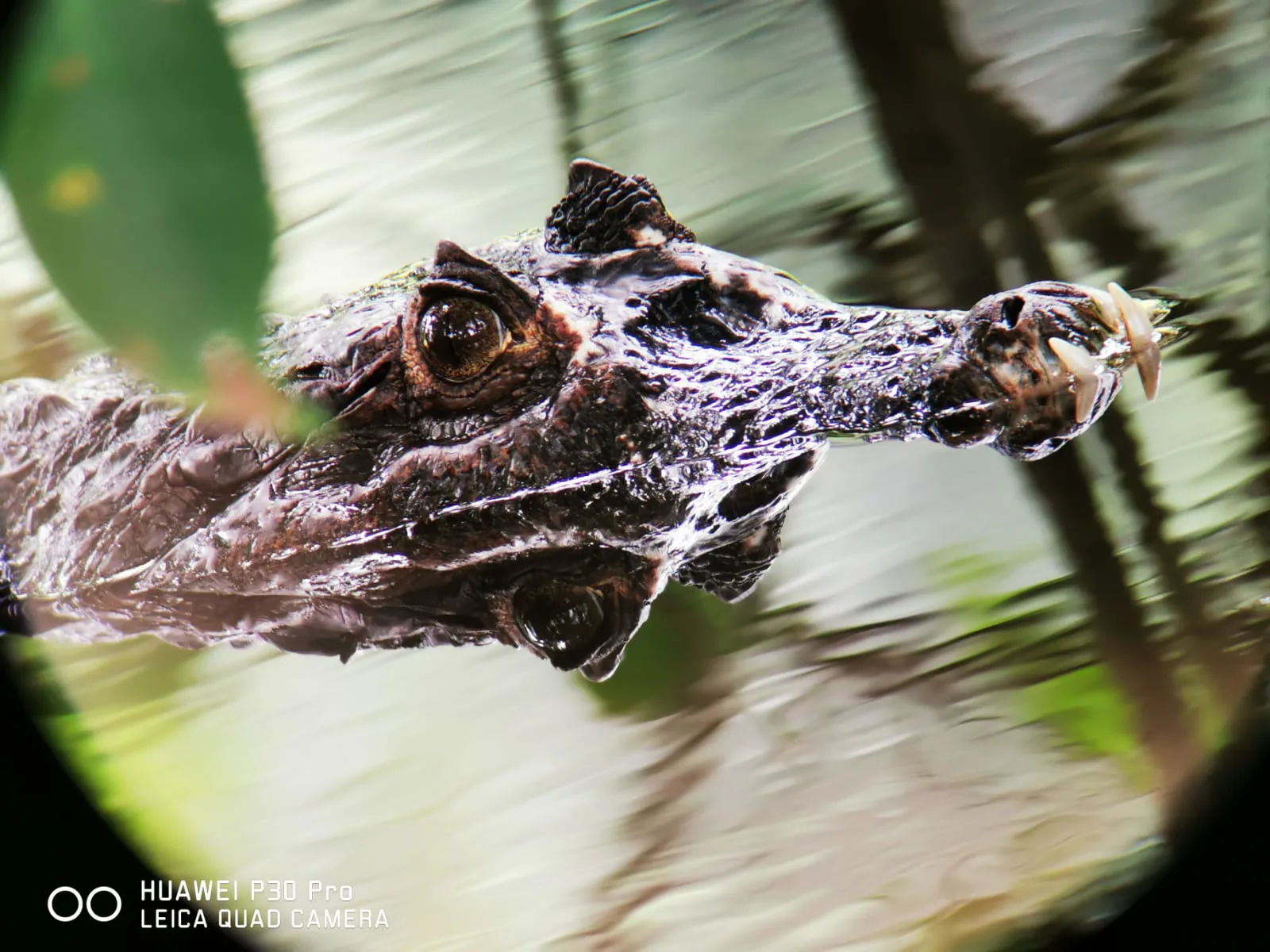
Watching Monkeys from the Water
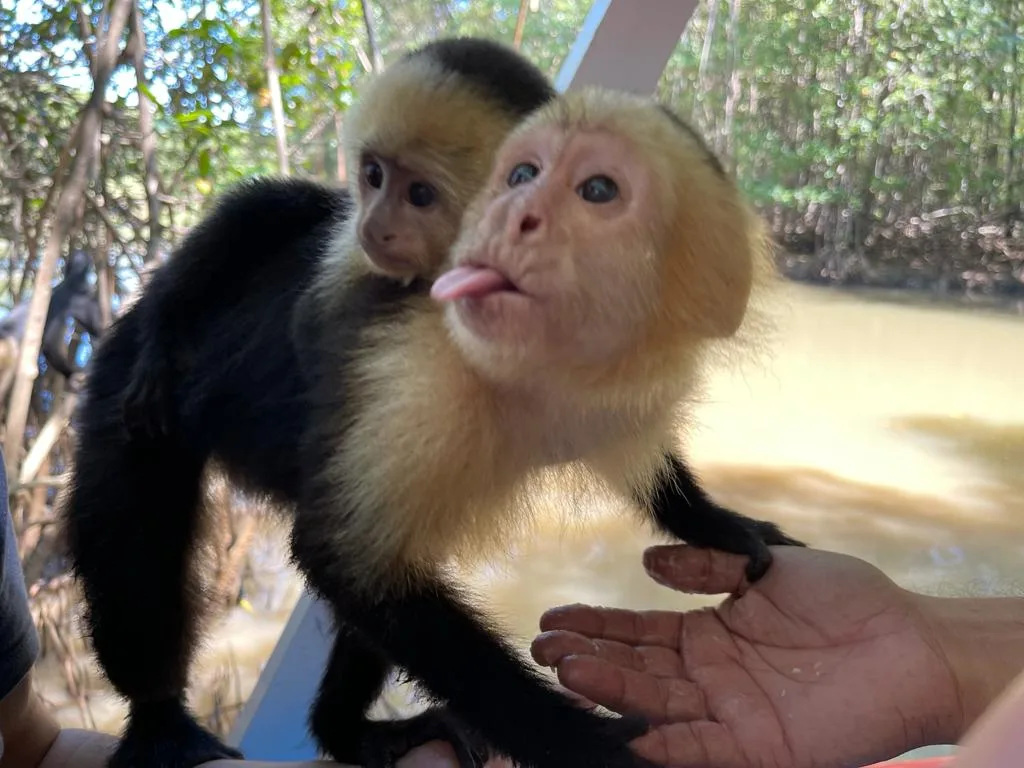
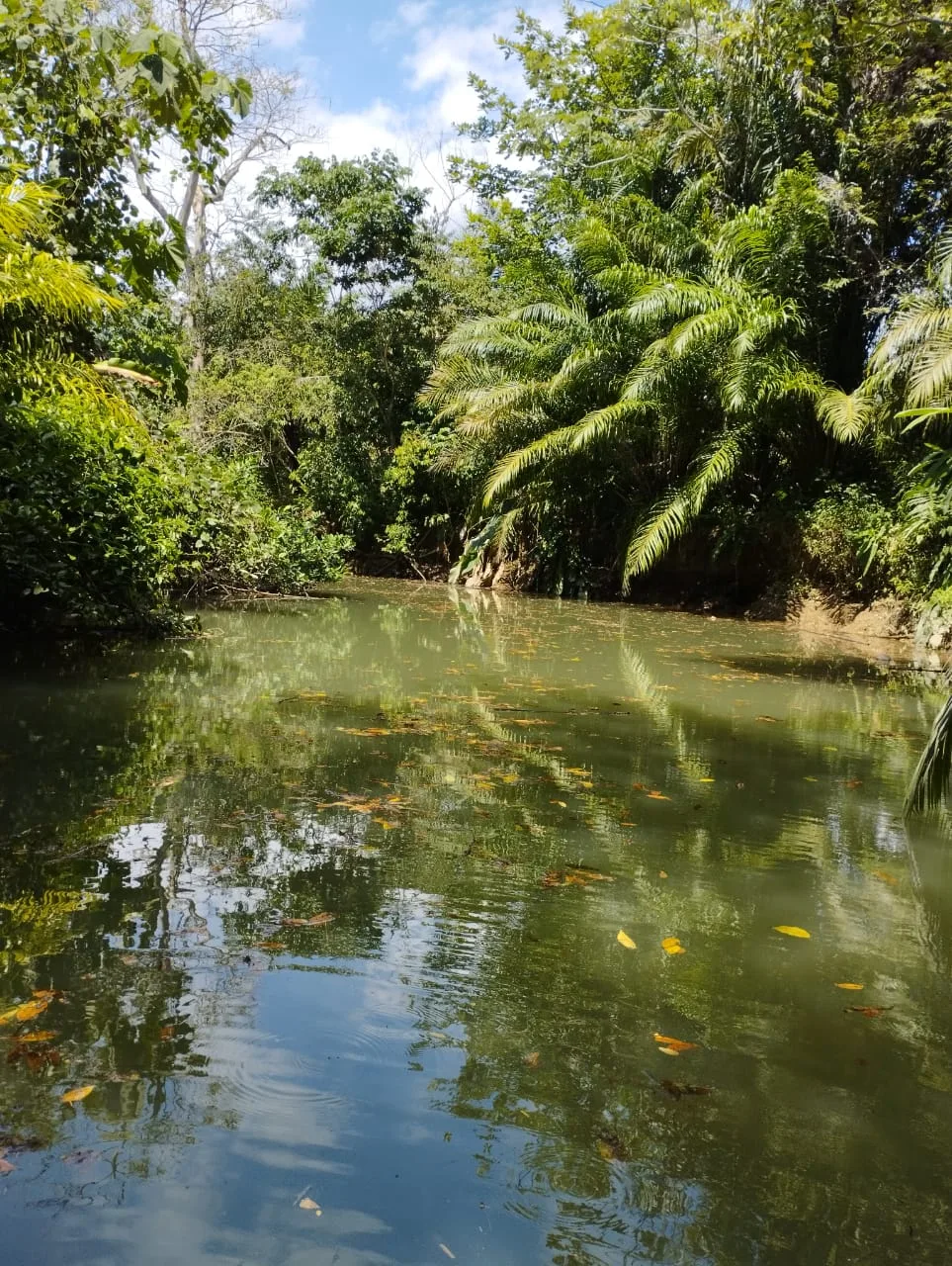
The Manuel Antonio Monkey Boat Tour is built around a simple idea: the best way to watch monkeys in the mangroves is from a boat. The tidal channels of Damas Island are one of the few places in Costa Rica where primates regularly come down to the waterline, foraging for crabs, insects, and mollusks in the exposed mangrove roots at low tide. From the water, you meet them at their level.
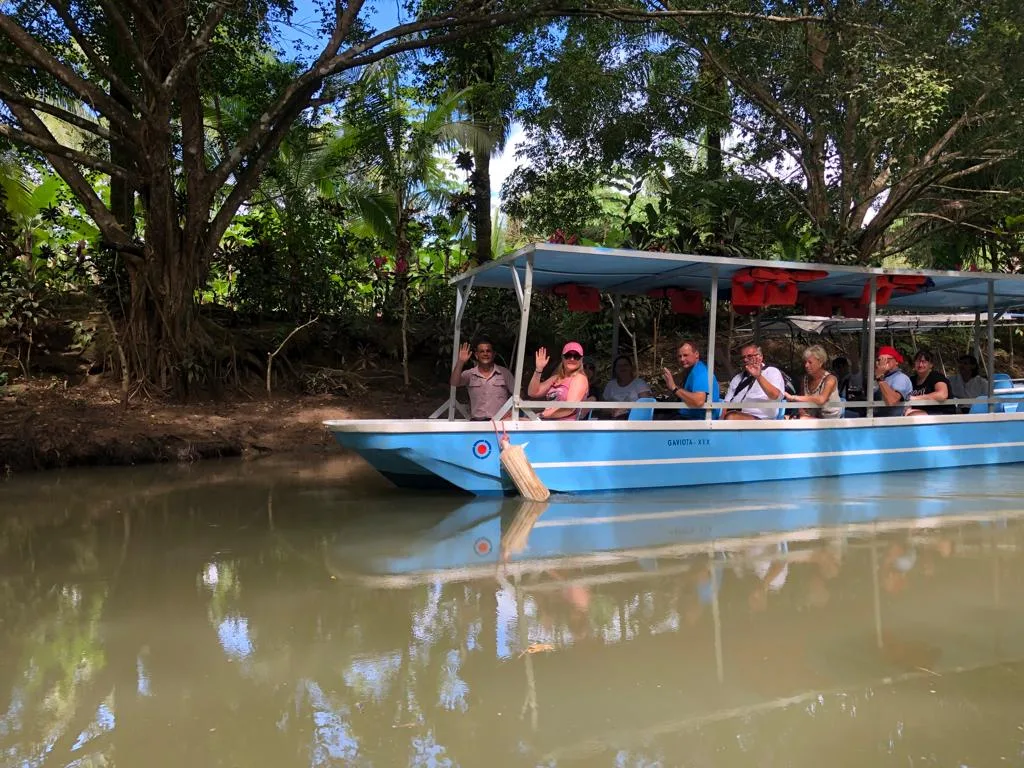
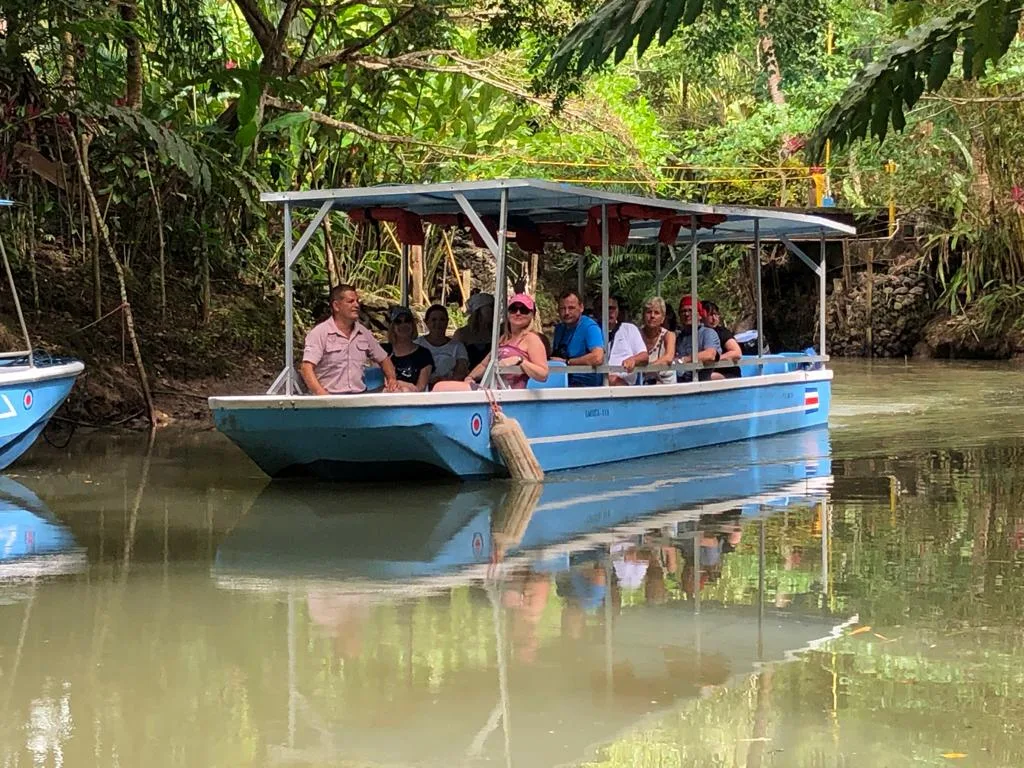
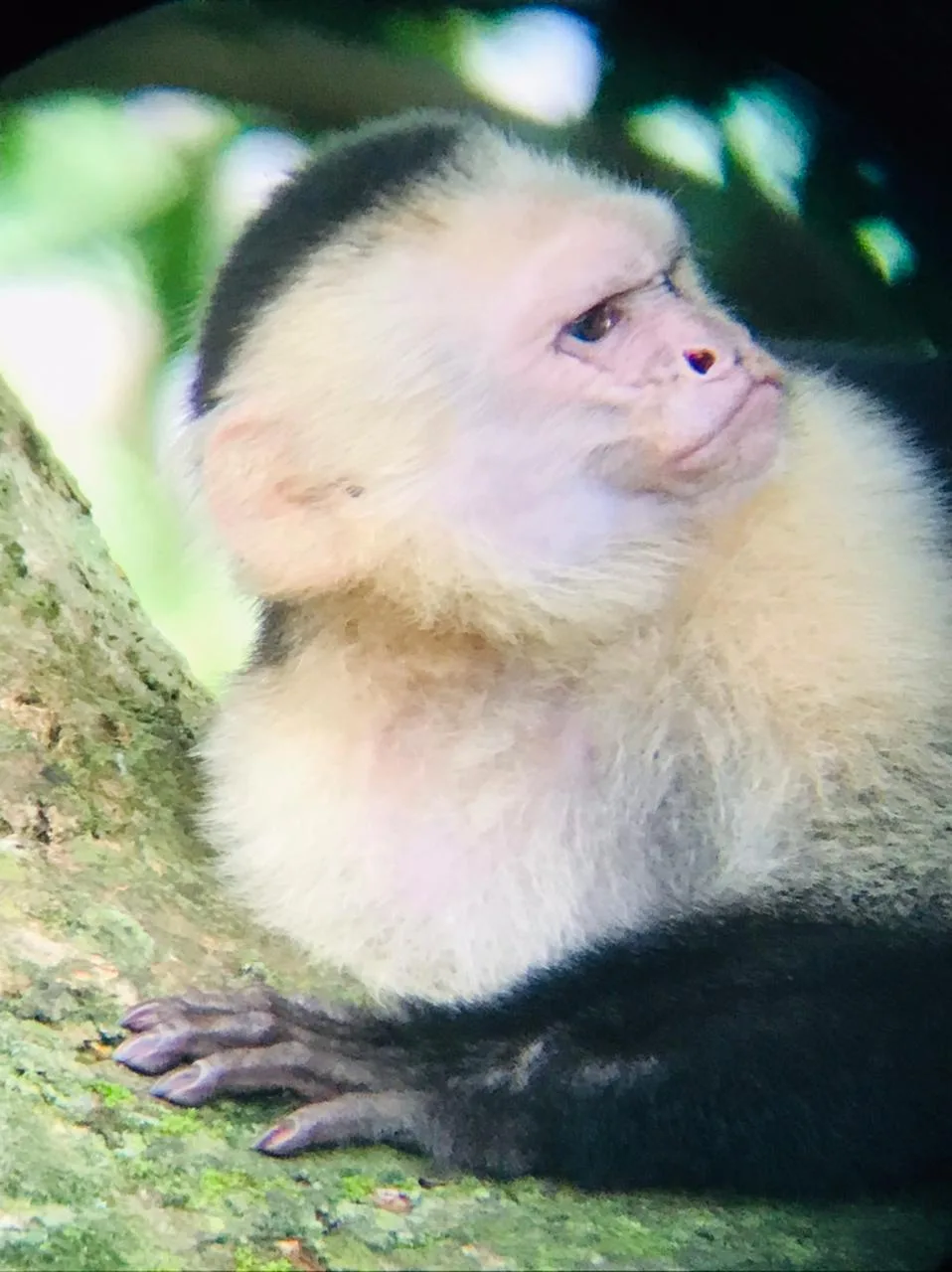
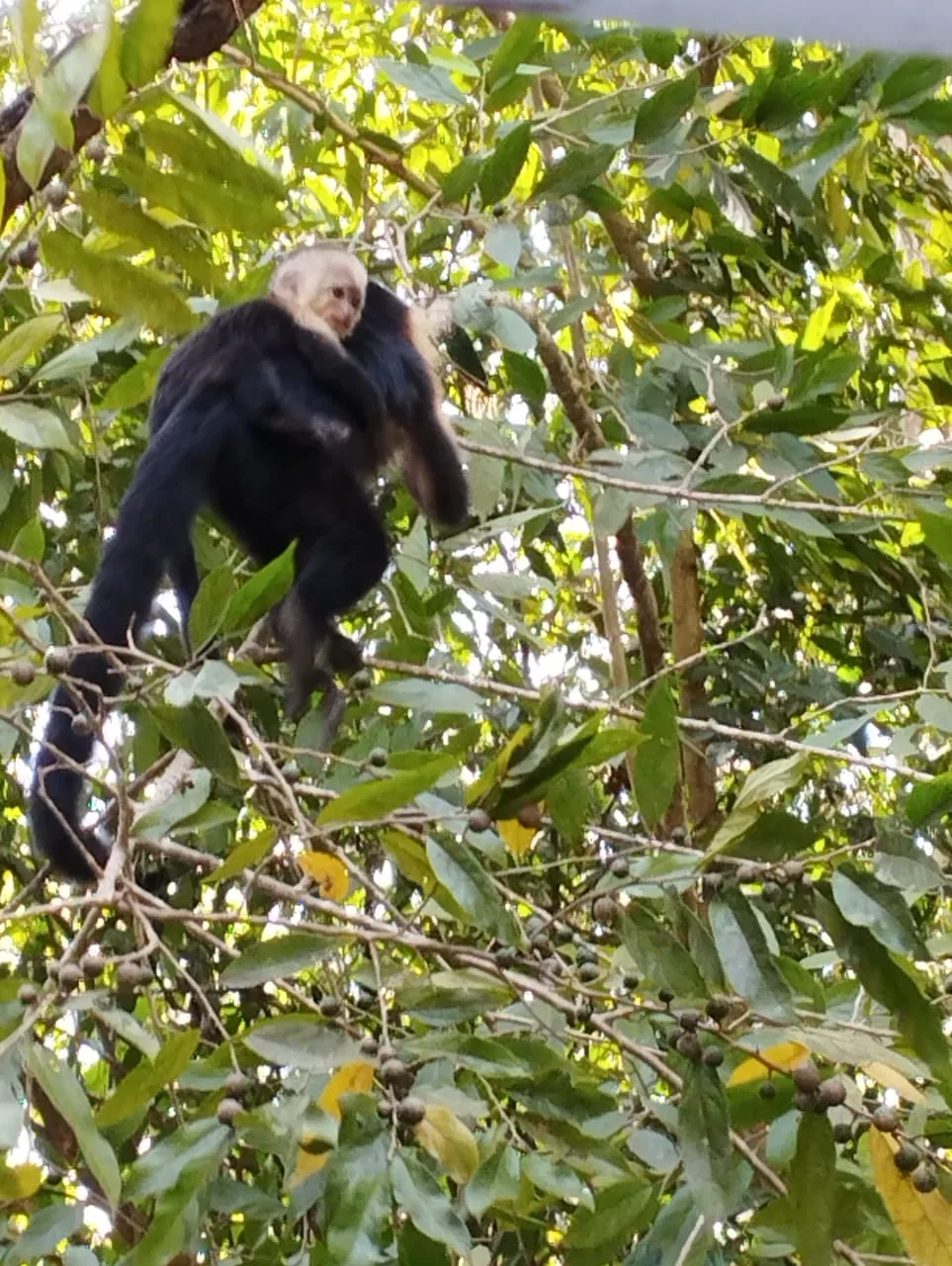
Your covered motorboat moves quietly through the channels as your naturalist guide reads the mangrove canopy for movement and sound. White-faced capuchin monkeys are the most frequently encountered primates on this route. Bold and curious, capuchins are often spotted cracking open shellfish on the mangrove roots or watching the boat from branches a few meters away.
Squirrel monkeys are the other main draw. Listed as endangered and found only in a small range in southern Costa Rica and Panama, Manuel Antonio and the Damas Island system support one of the healthiest squirrel monkey populations in the country. They travel in large, loud, fast-moving troops through the upper canopy. When a group passes overhead, the sound and motion is hard to miss. Your guide knows the routes these troops follow through the channels and positions the boat for the best sightings.
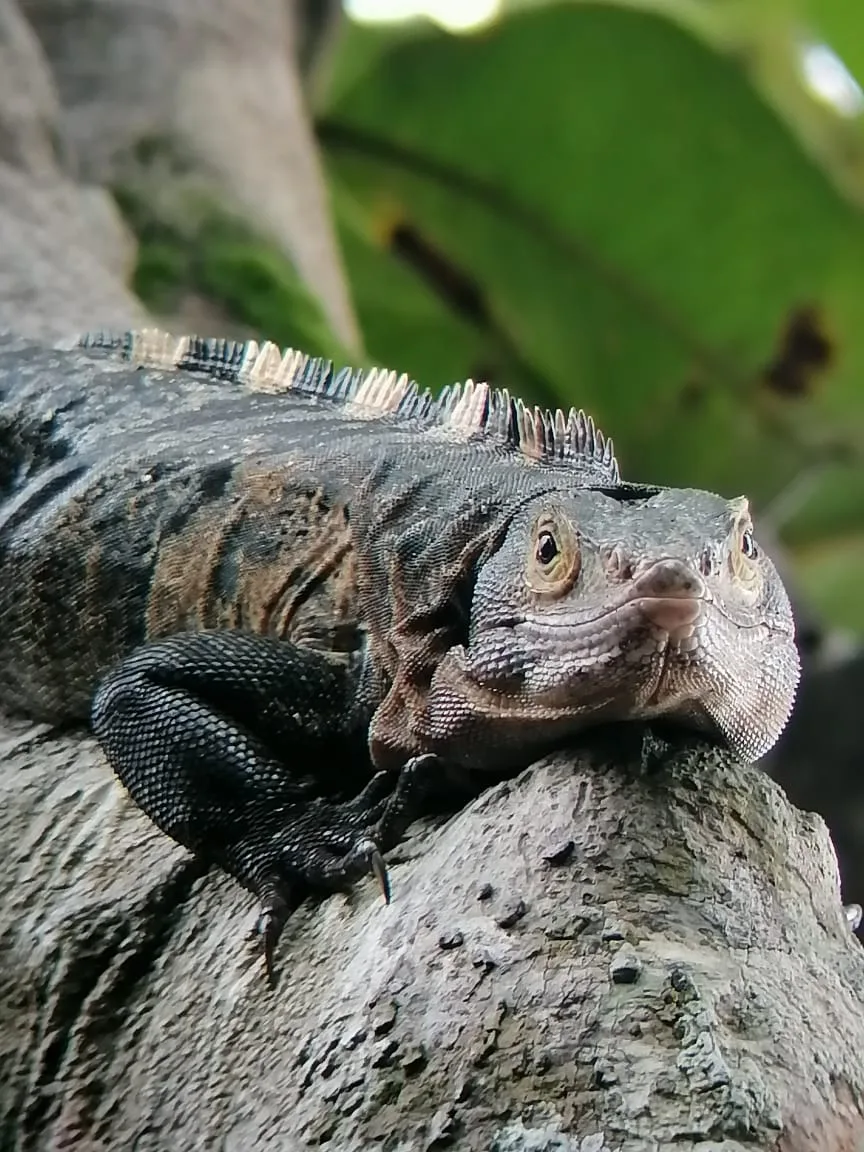
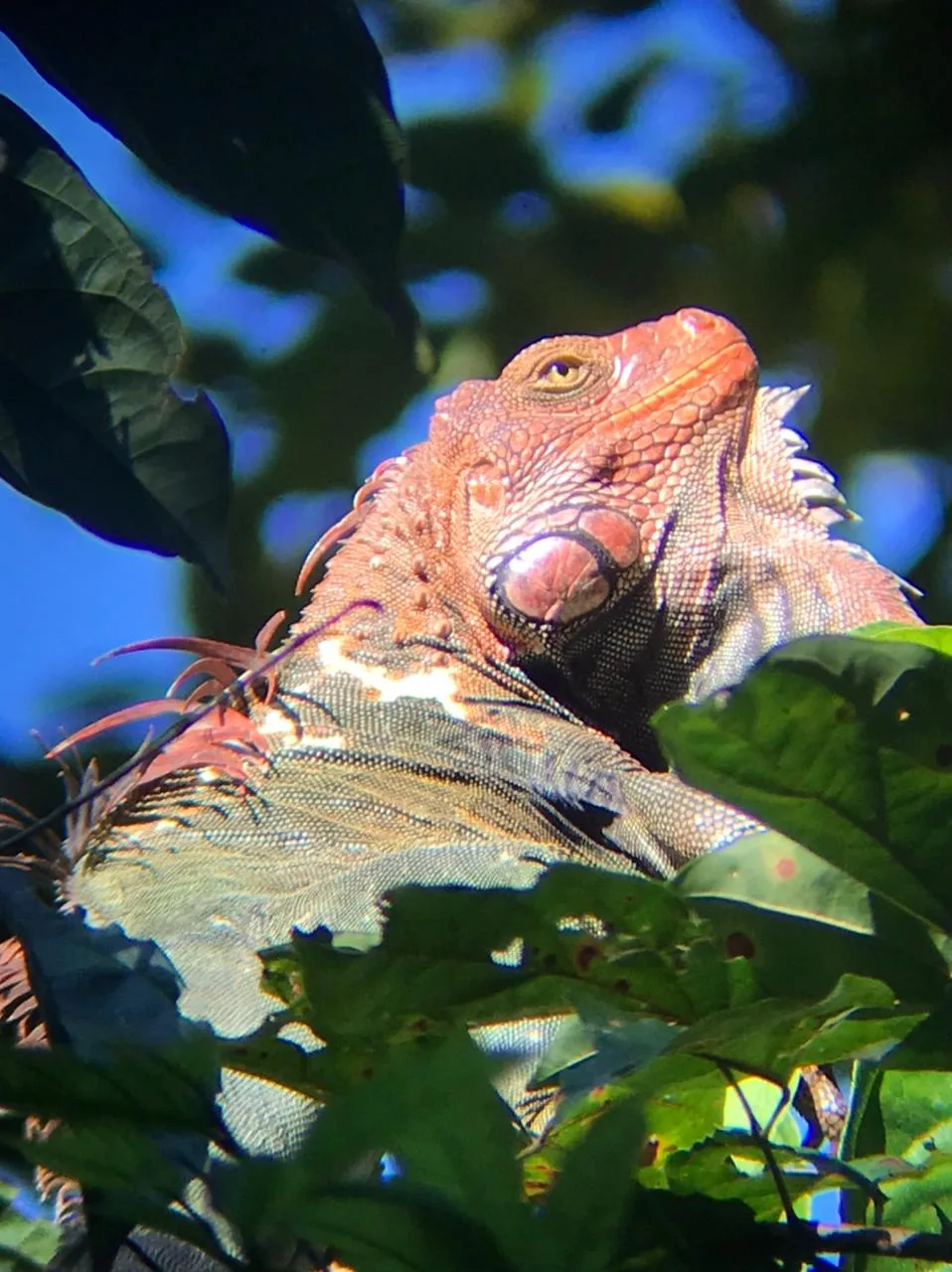
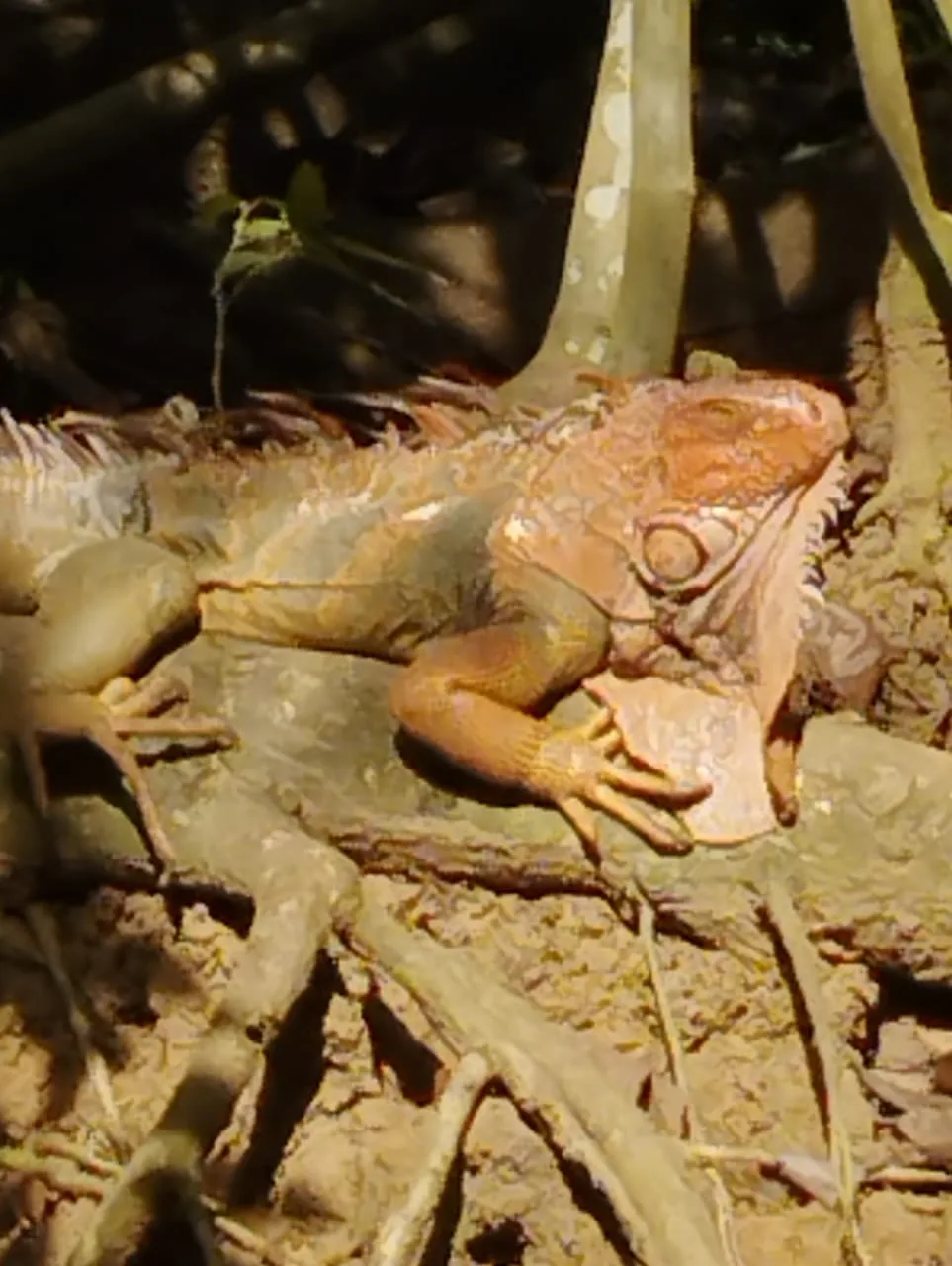
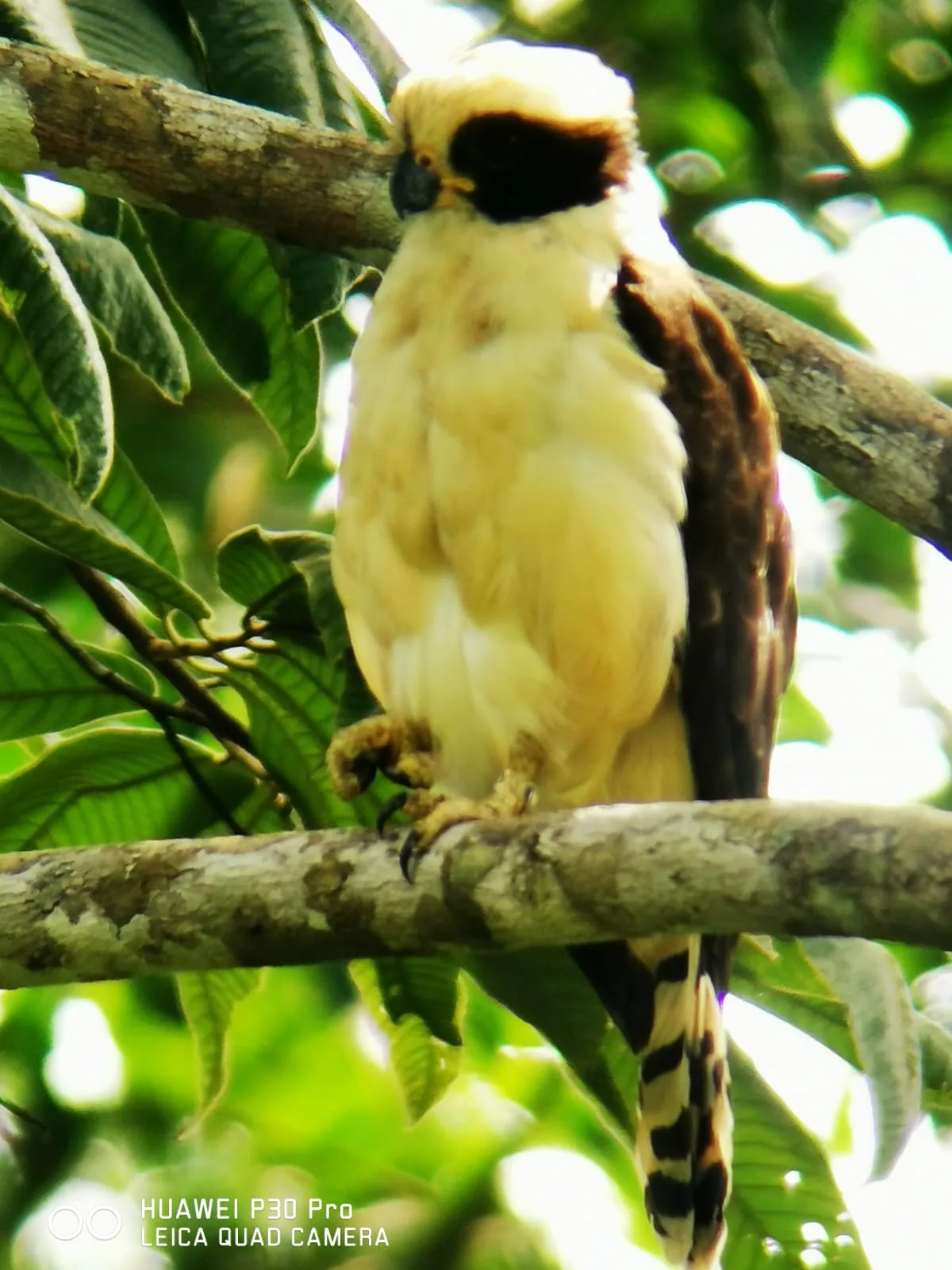
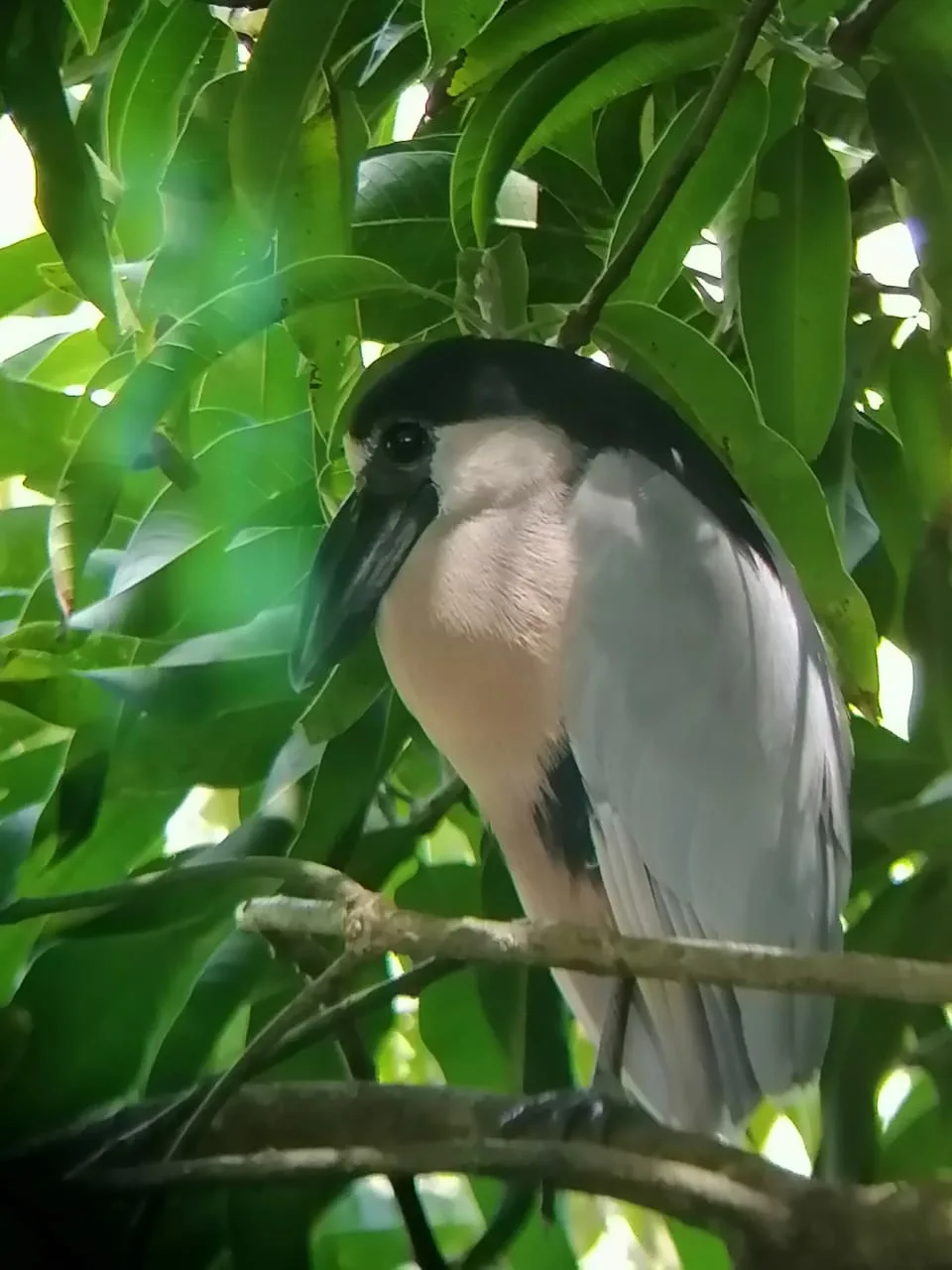
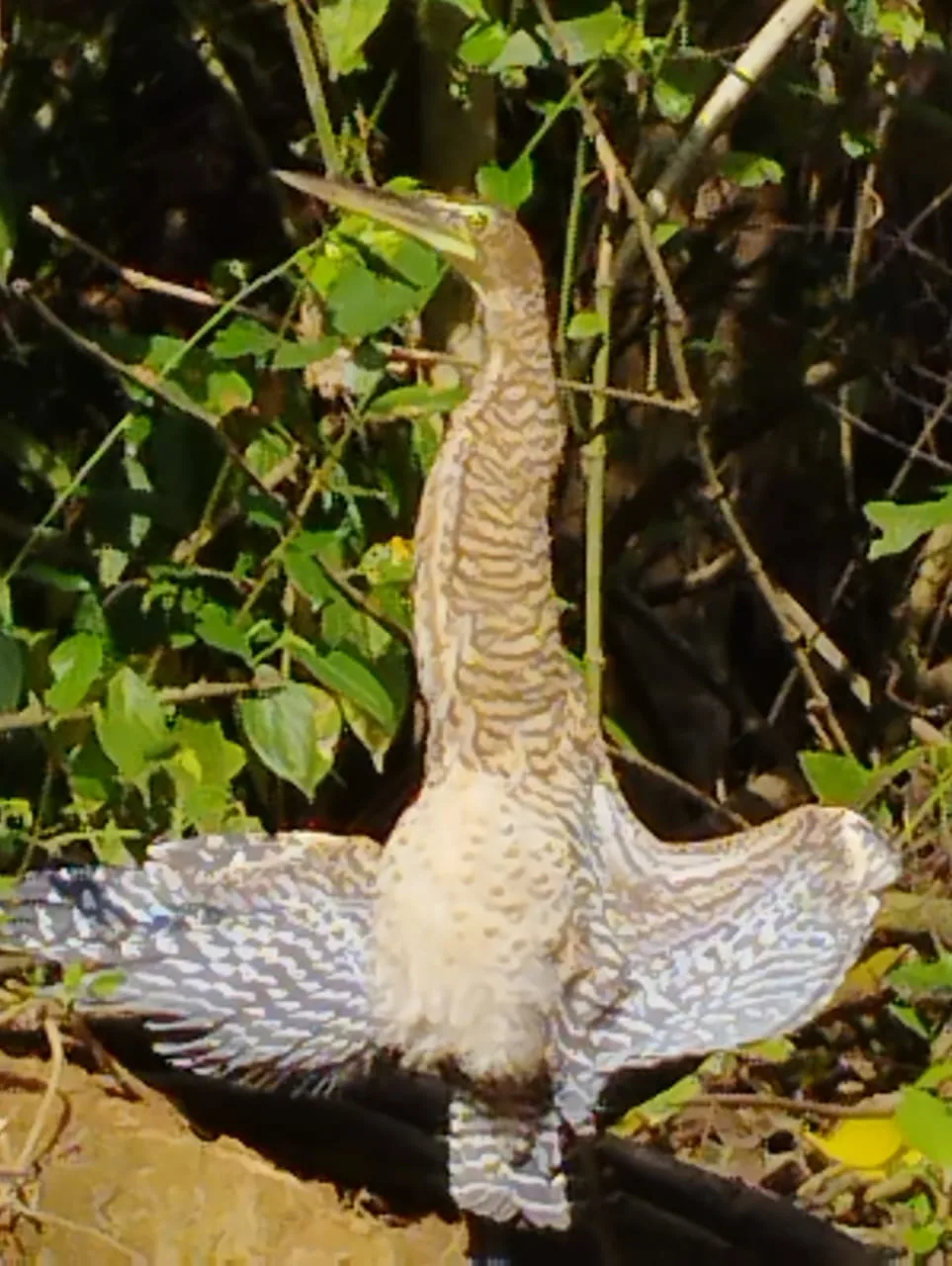
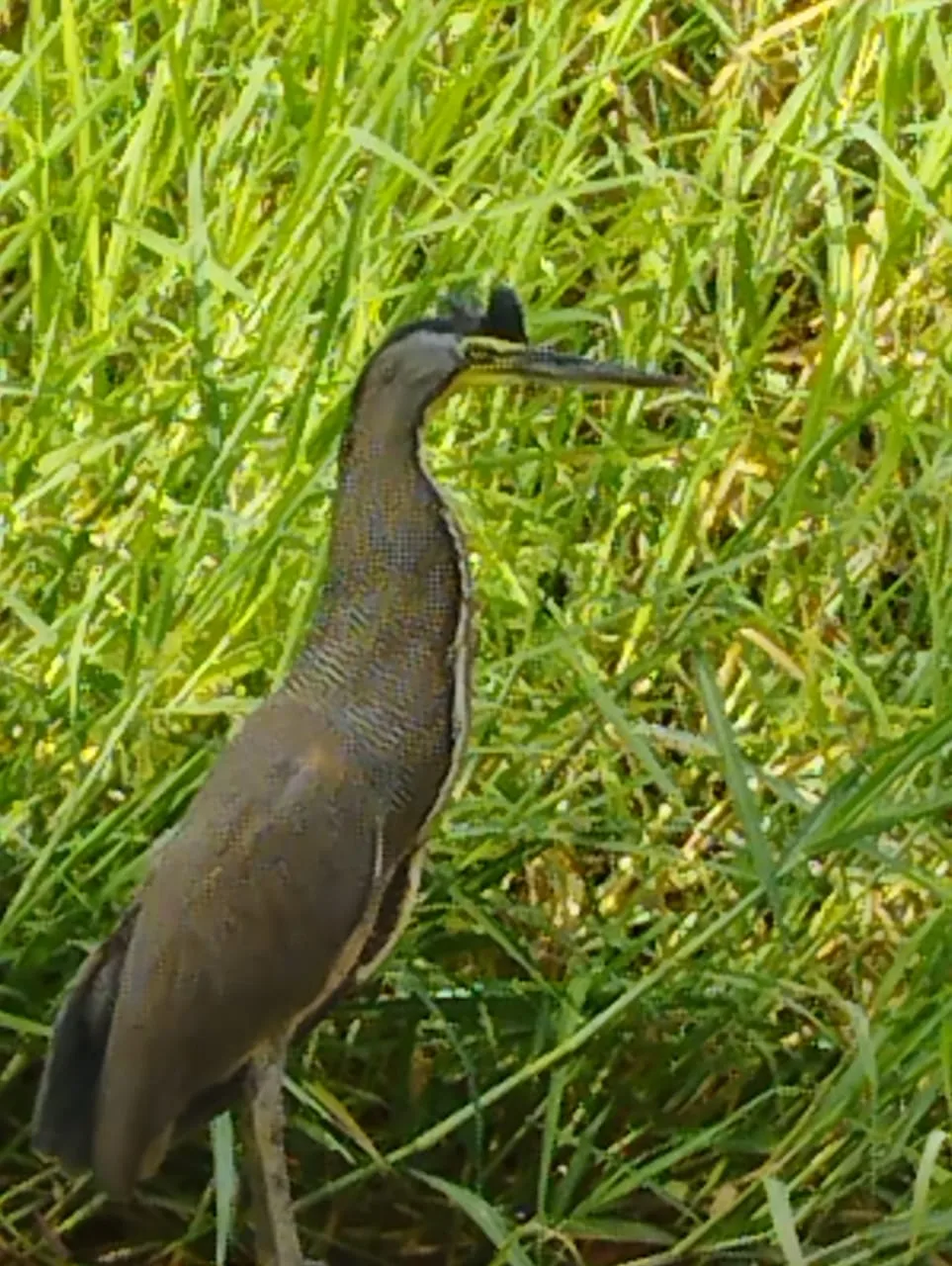
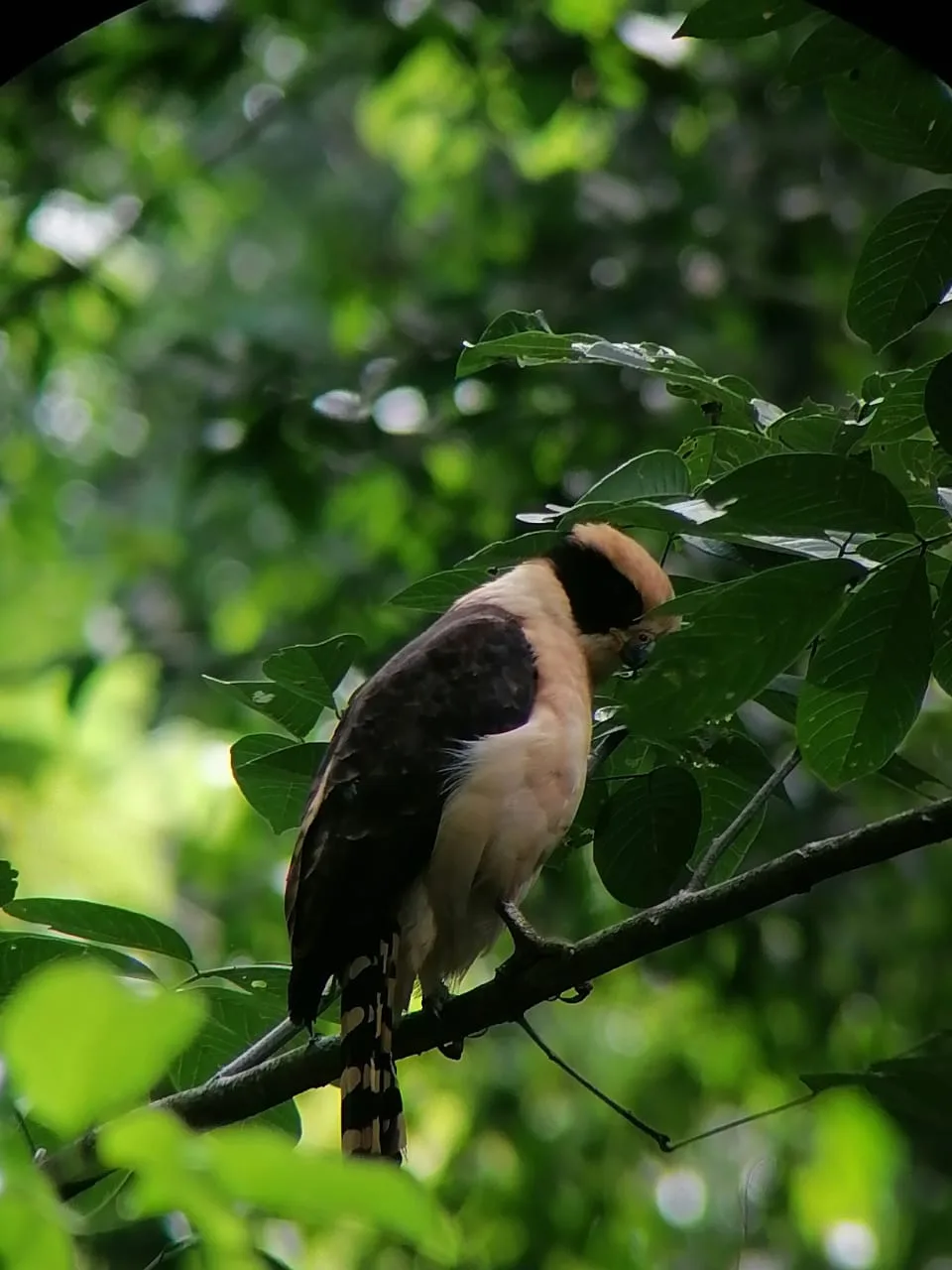
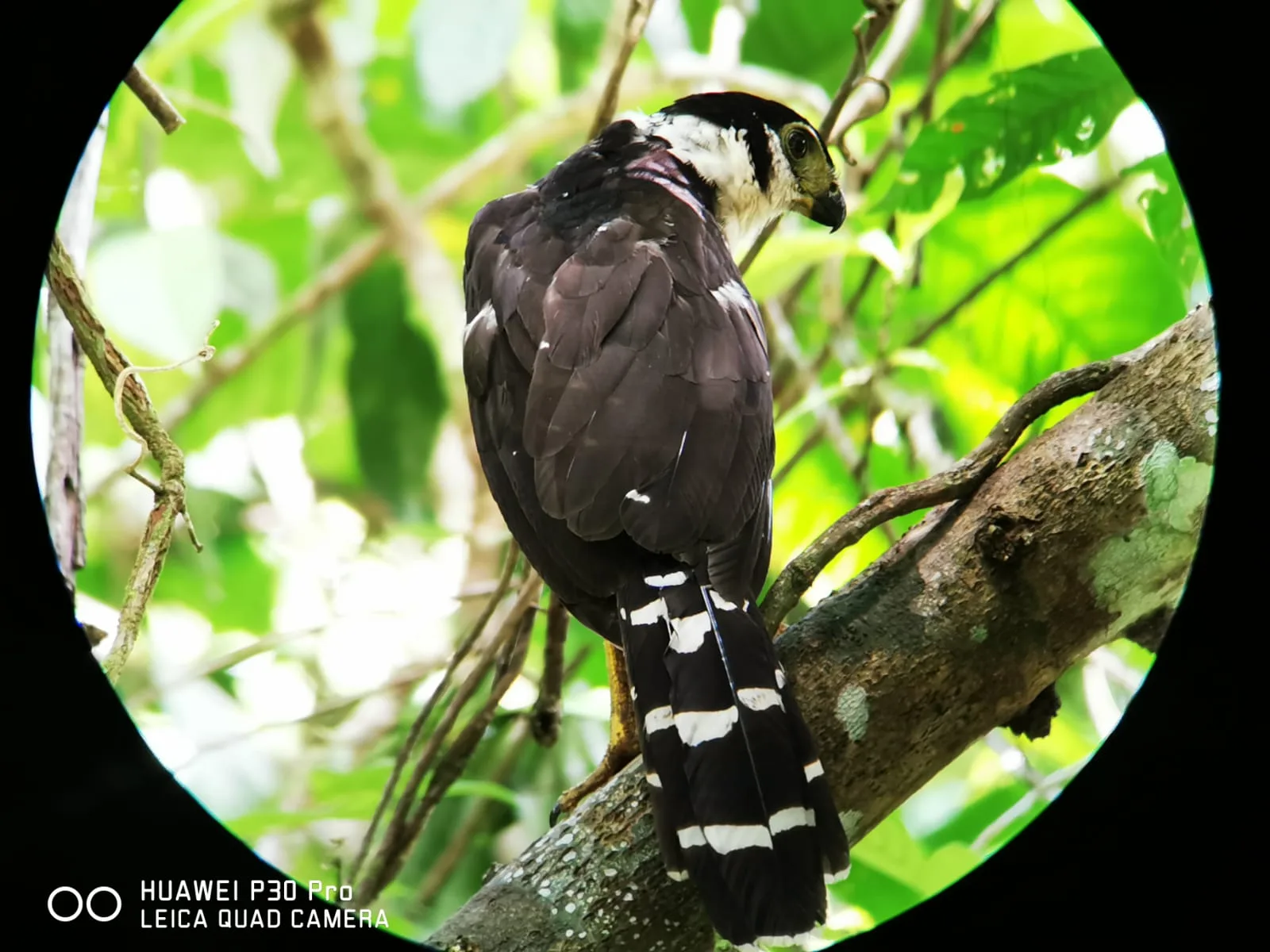
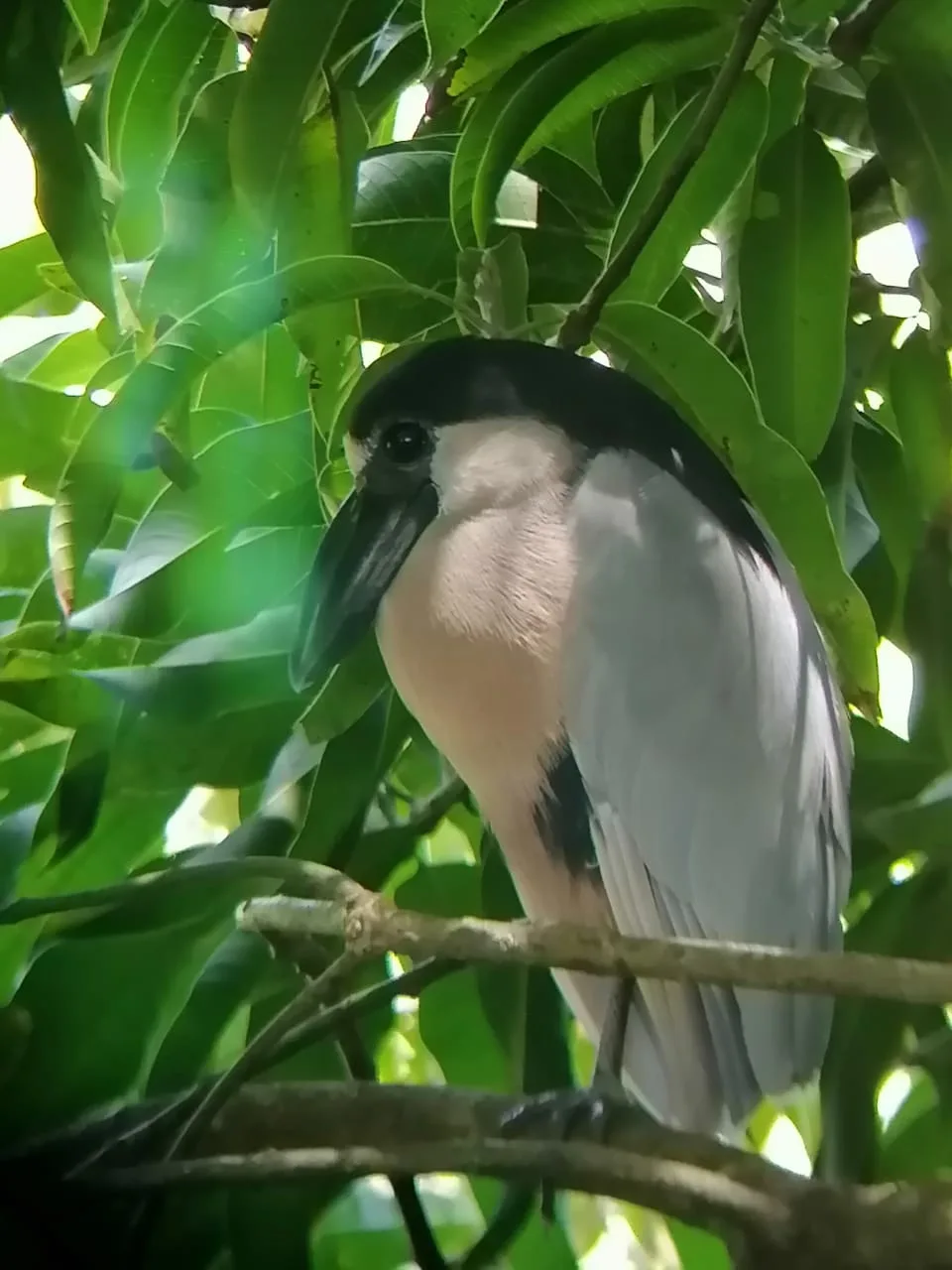
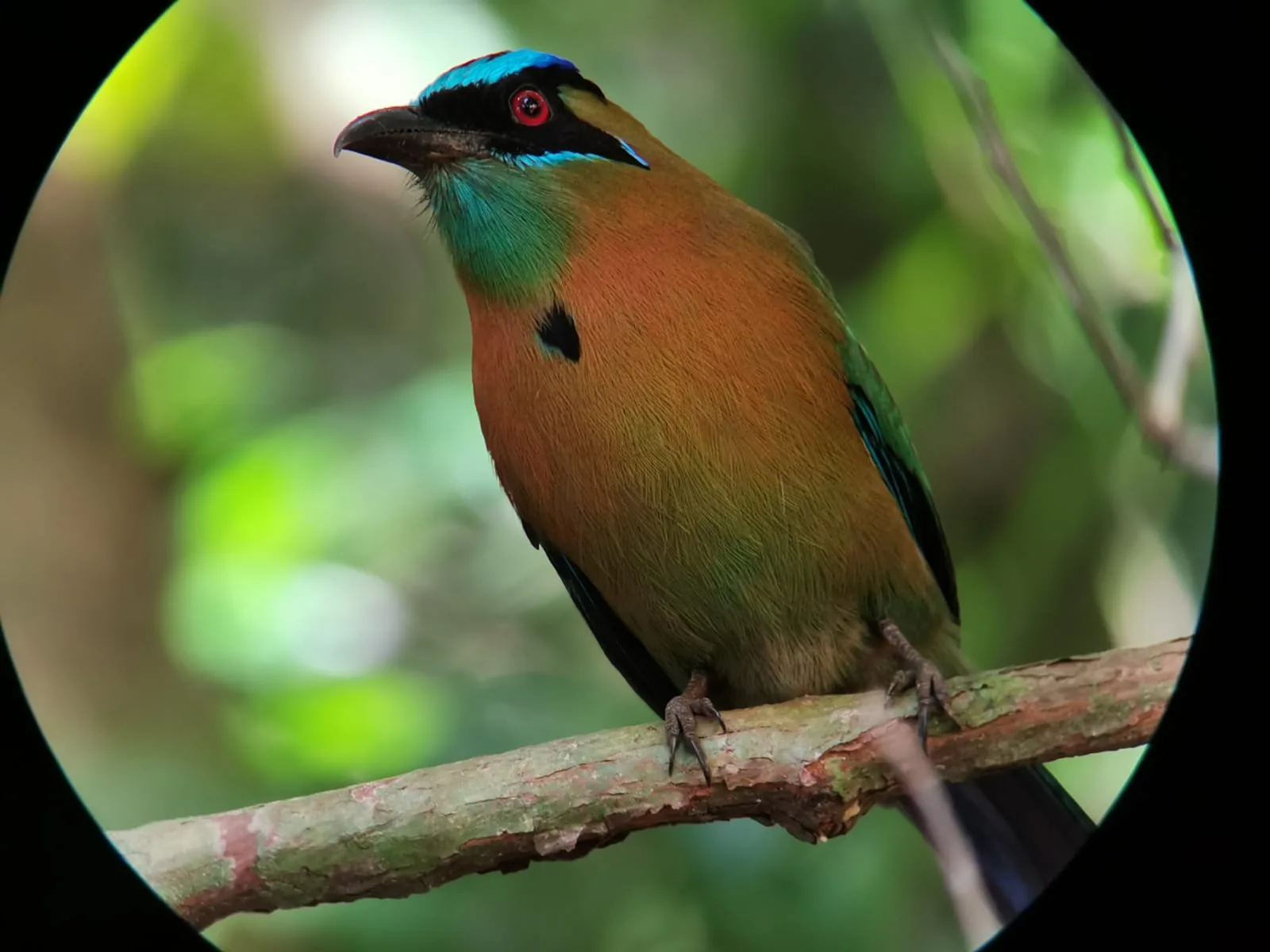
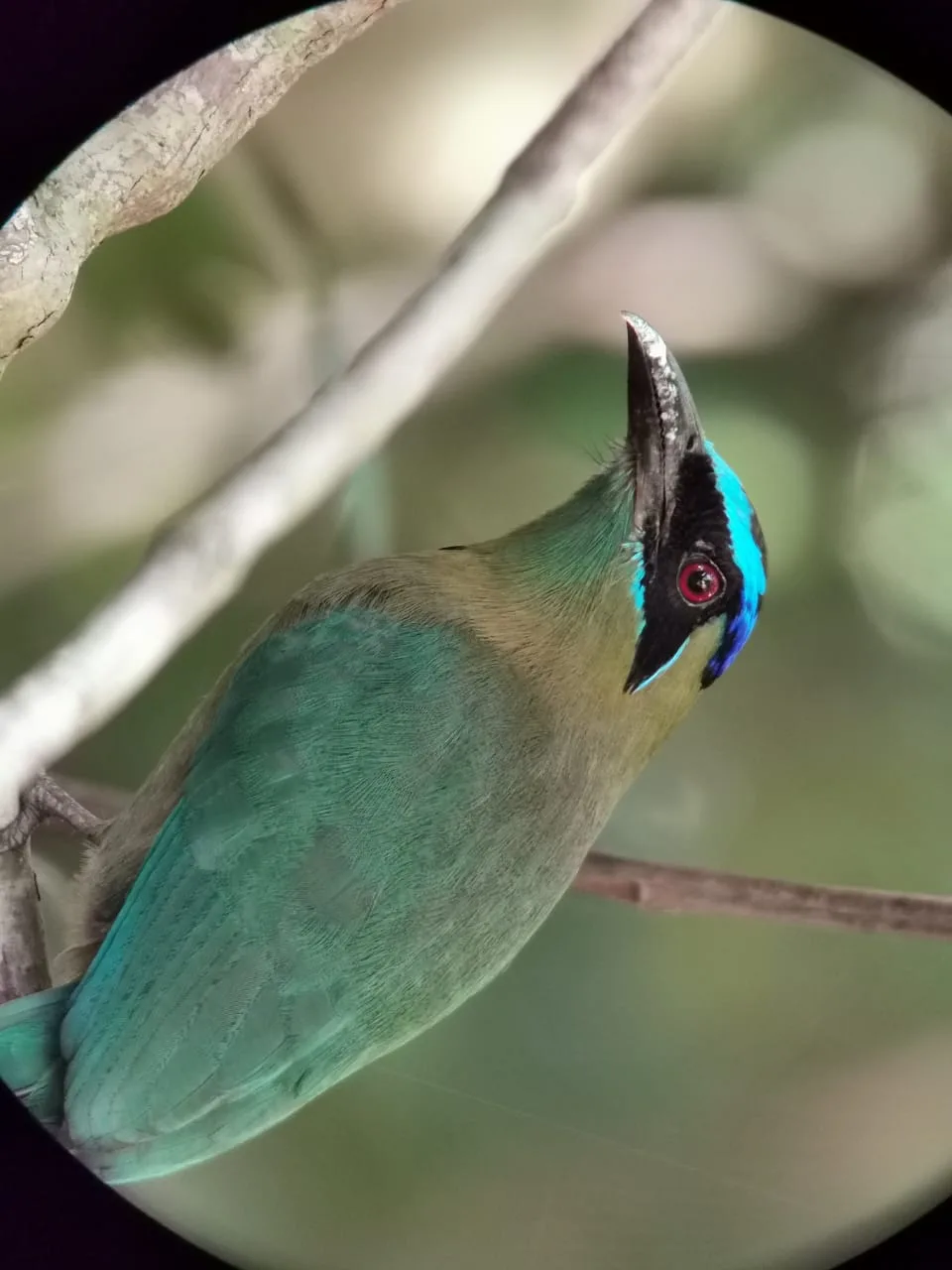
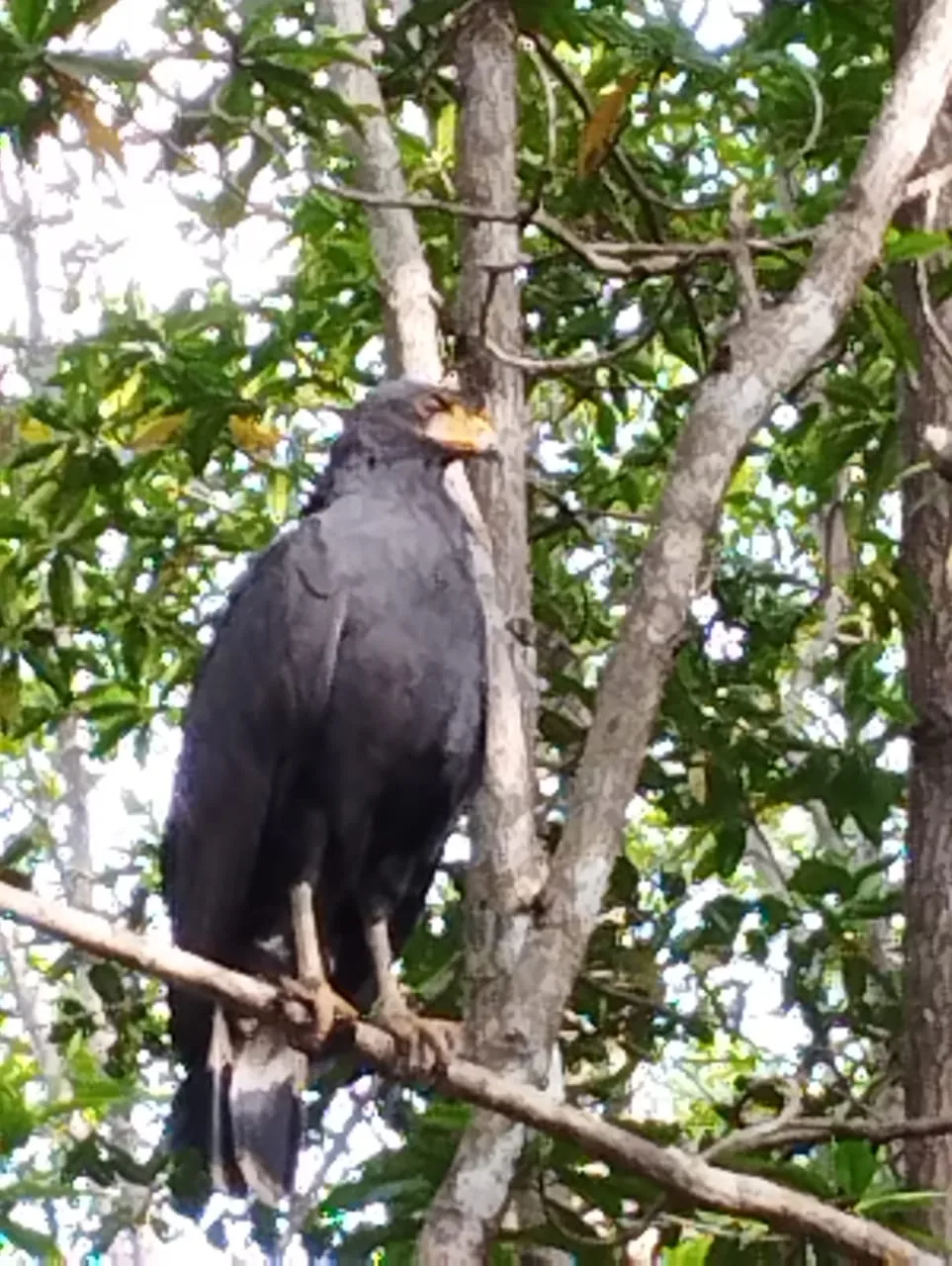
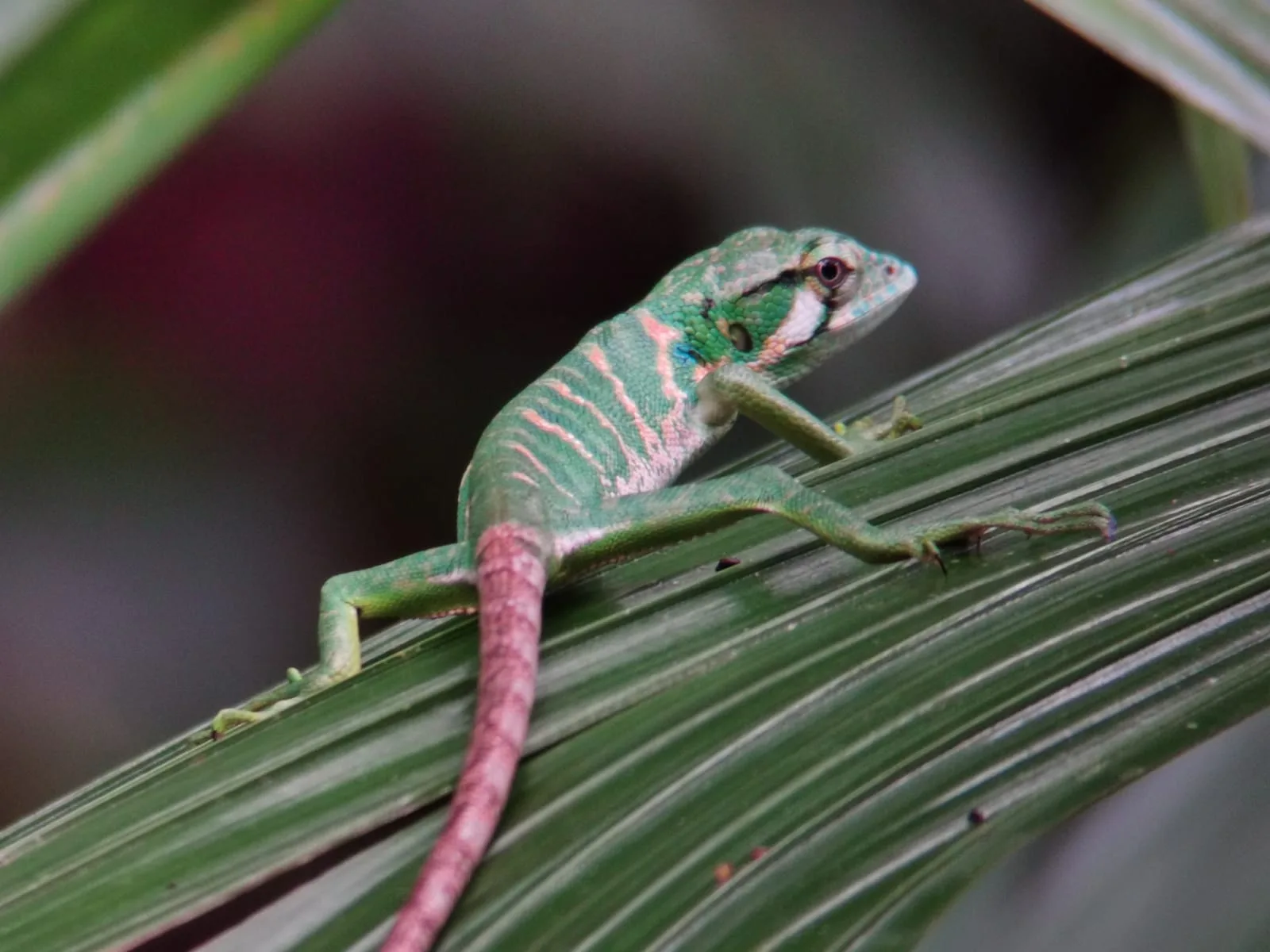
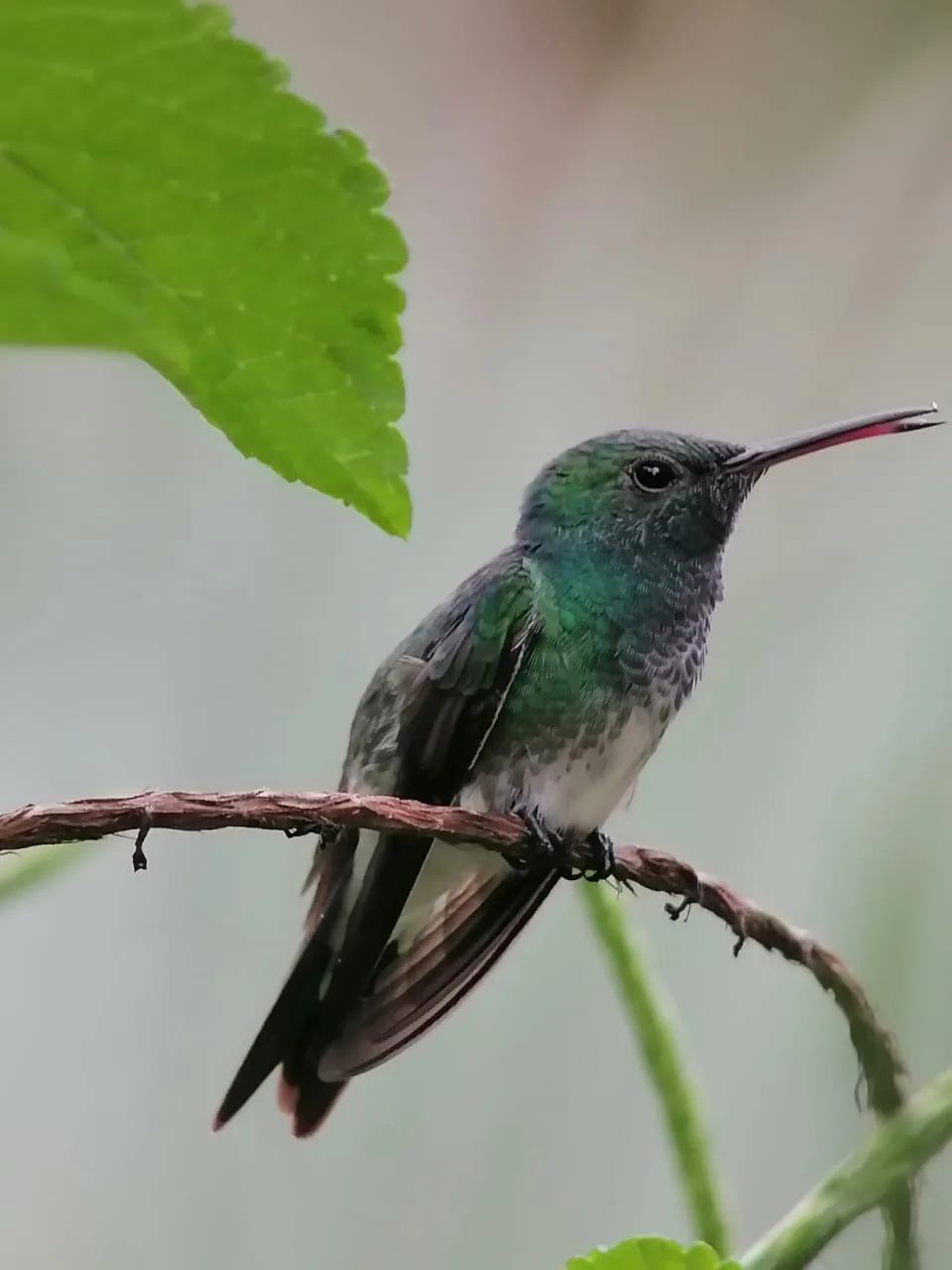
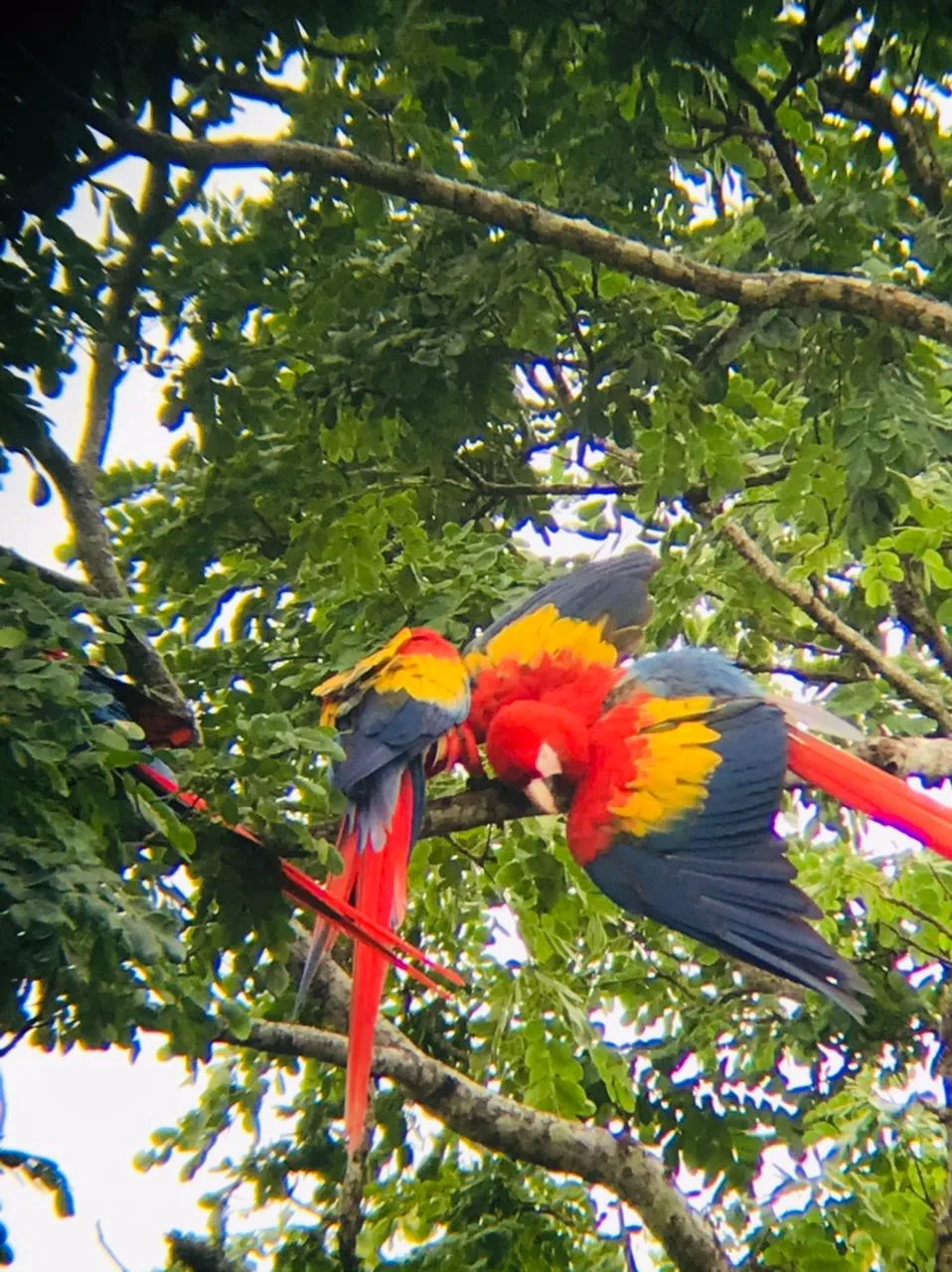
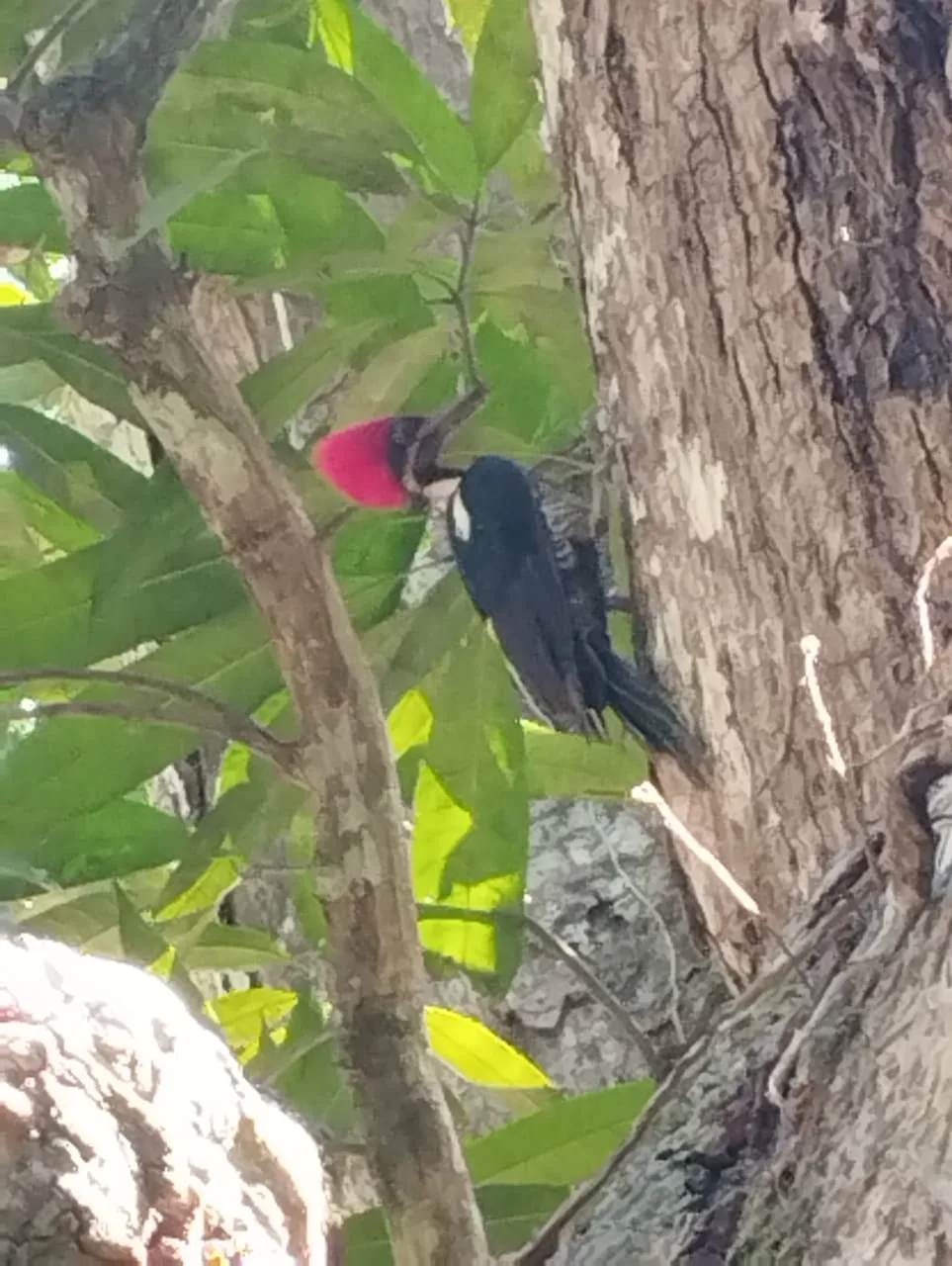
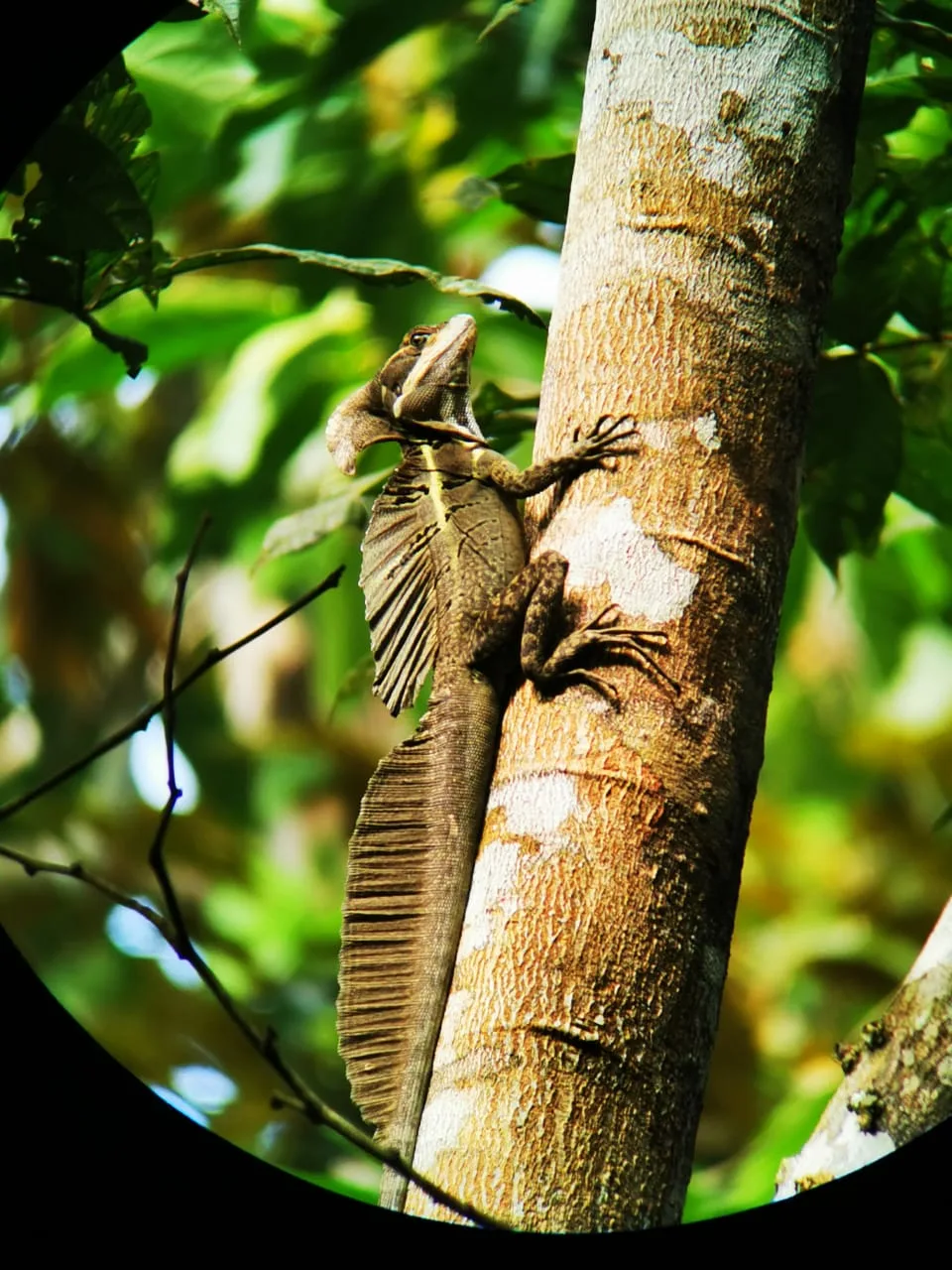
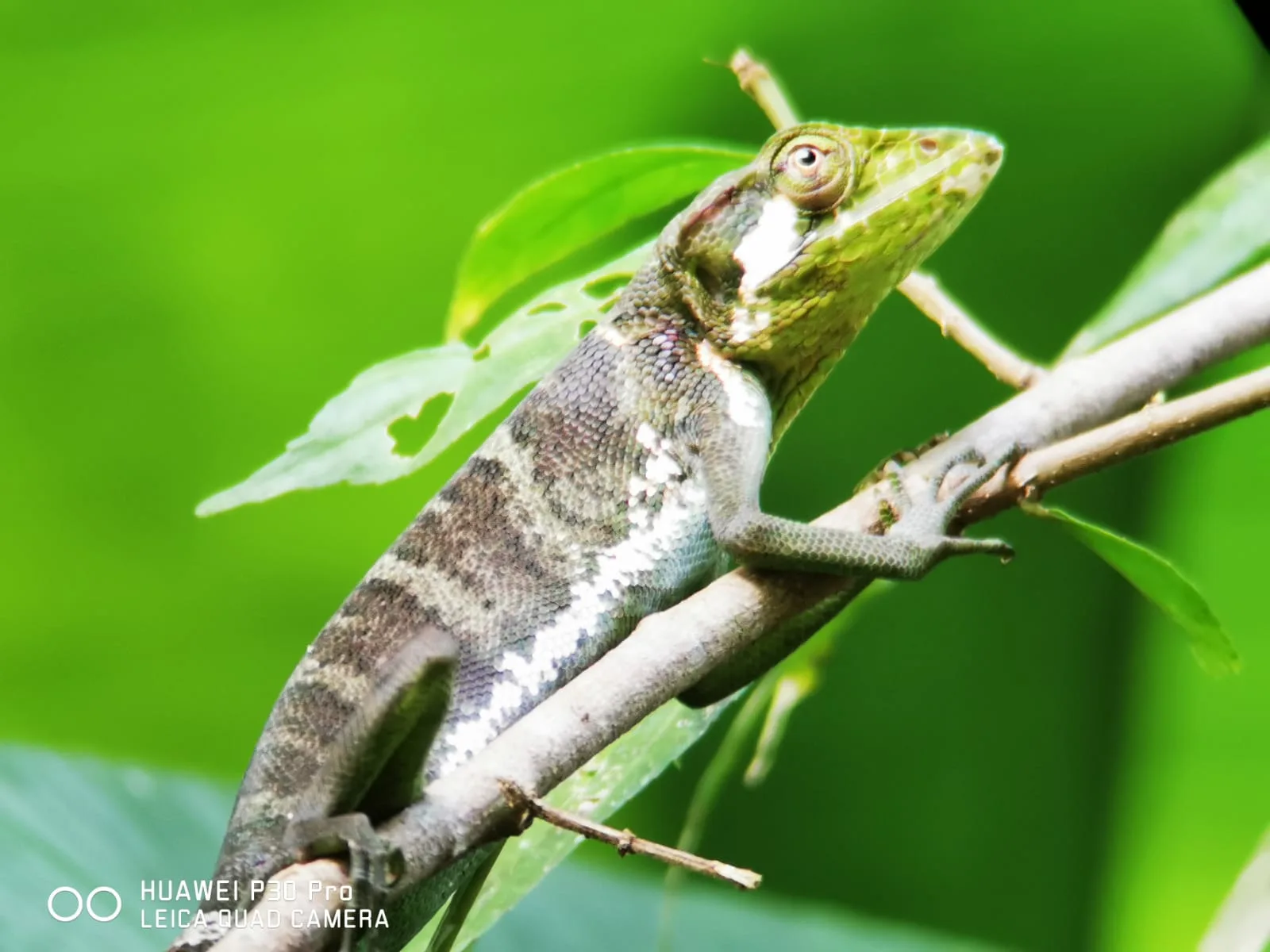
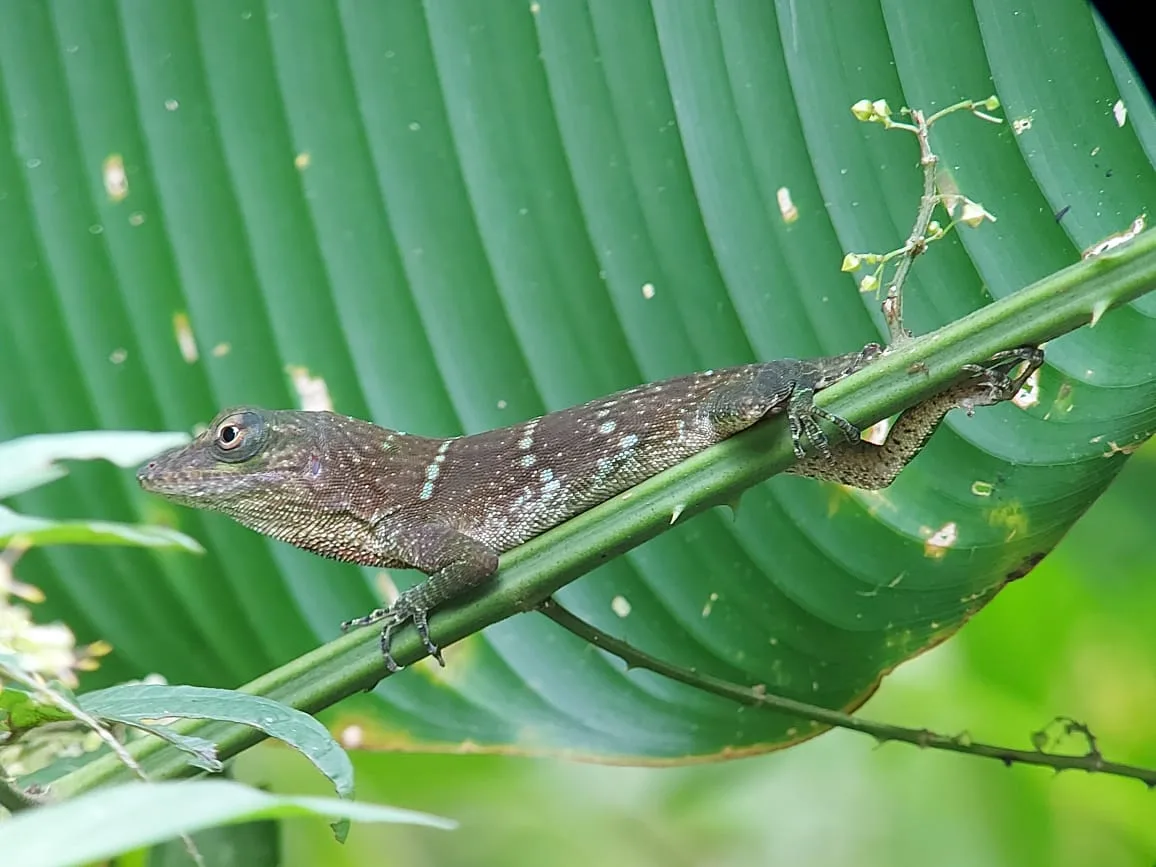
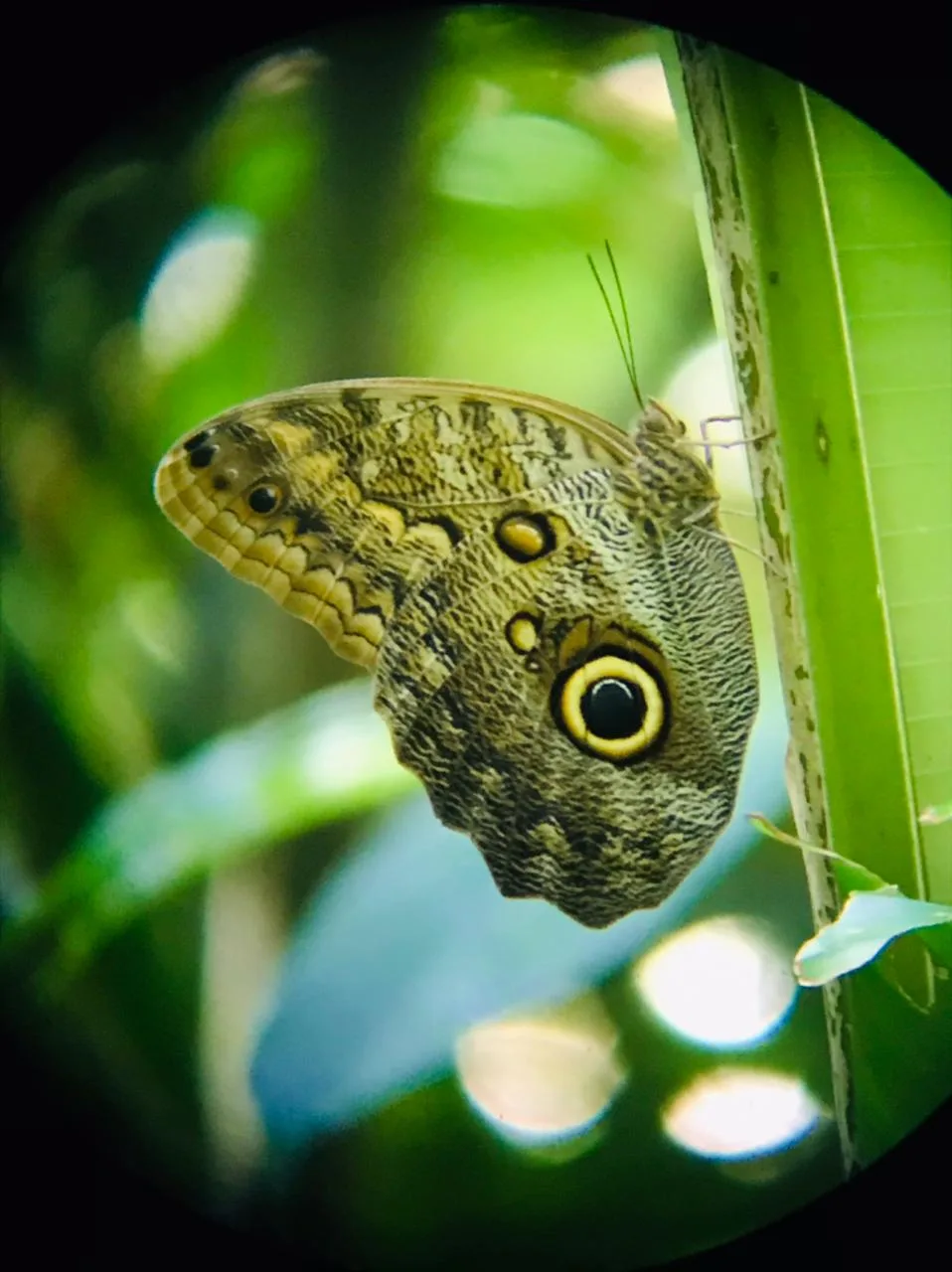
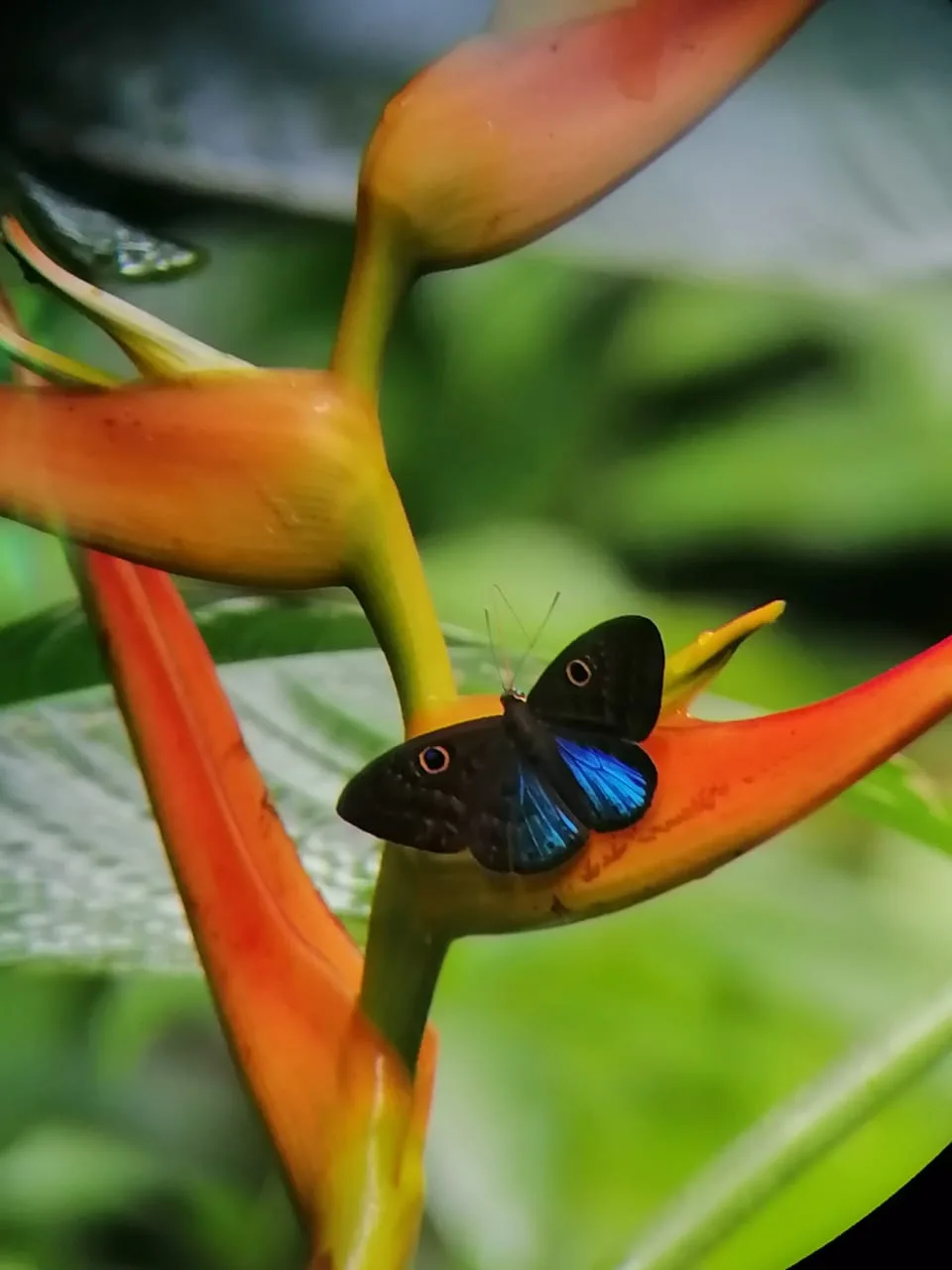
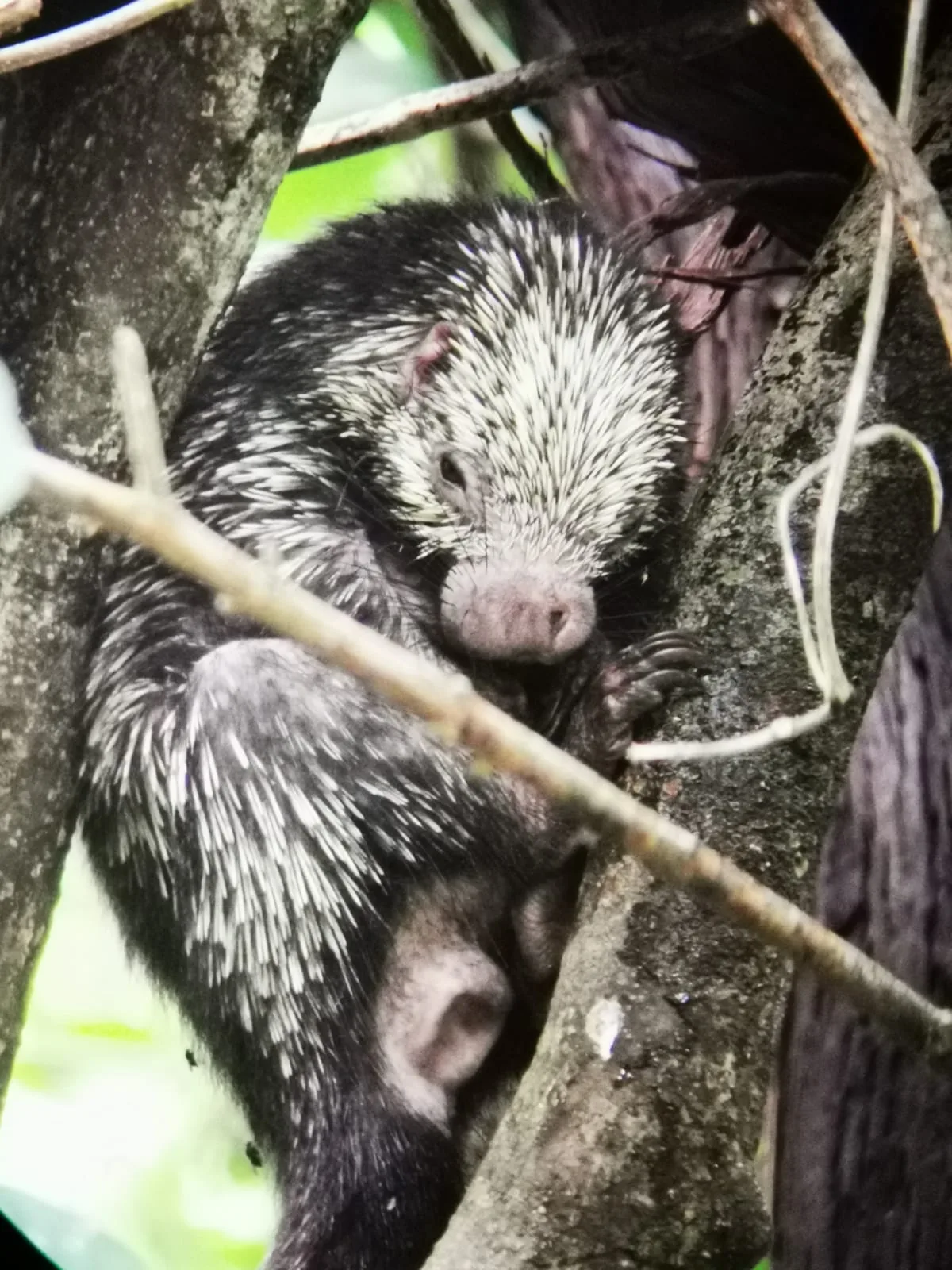
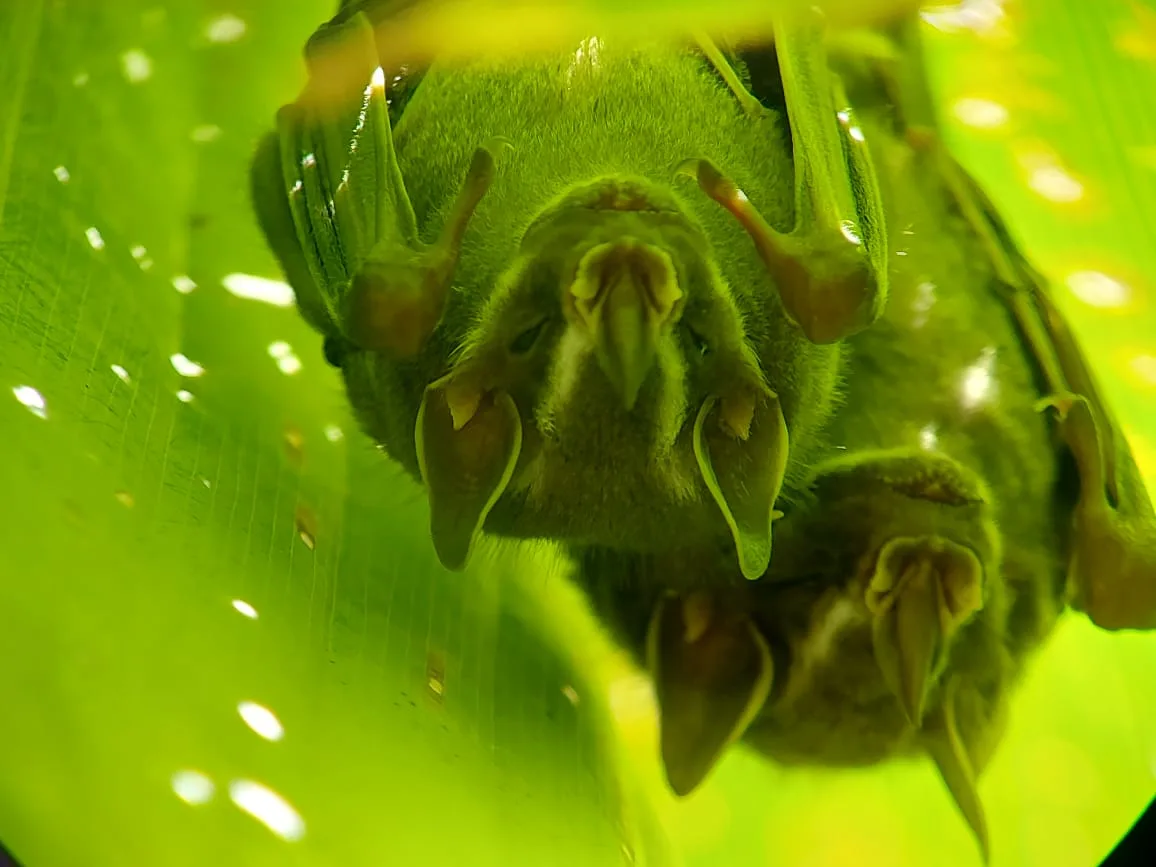
The rest of the Damas Island ecosystem makes its presence felt throughout the tour. American crocodiles rest on the mudbanks between the channels. Green iguanas drape themselves over branches directly above the water. Kingfishers work the shallows at close range while herons stand motionless in the shadows. For birdwatchers, the species list for the Damas Island system runs well over 100.
The pace is unhurried. When a troop is active along the bank, the boat stops and stays until the encounter runs its course. No fixed route, no time pressure. Just the channels, the wildlife, and a guide who knows where to look.
✨ Tour Highlights
- White-faced capuchin monkeys foraging along the mangrove riverbanks
- Squirrel monkeys, endangered and found only in southern Costa Rica, in the canopy
- Eye-level encounters as monkeys come down to the water's edge
- American crocodiles, iguanas, and kingfishers along the route
- Naturalist guide commentary on primate behavior and ecology
- Calm, covered boat, suitable for all ages and fitness levels
✓ What's Included
- Expert naturalist guide and boat captain
- Covered motorboat with comfortable seating
- Binoculars for close-up primate viewing
- Life jackets and all safety equipment
- All group sizes welcome
✗ Not Included
- Hotel transportation
Reserve Your Spot Today
Message us on WhatsApp. We reply within minutes, 7 days a week.
Book on WhatsApp✓ Free cancellation up to 24h · ✓ No booking fees · ✓ Instant confirmation
Meeting Point & Location
Frequently Asked Questions
Why is a boat better for watching monkeys than hiking?
The channels of Damas Island give you a completely different angle. Monkeys regularly come down to the water's edge to forage for crabs, mollusks, and insects in the mangrove roots. You simply can't observe this from a forest trail. The boat approaches silently and stops at close range, and because you're below the canopy line rather than walking through it, the monkeys are far less likely to retreat. It's an unhurried, eye-level encounter that hiking rarely delivers.
Which monkey species will we see?
White-faced capuchin monkeys are the most commonly encountered species on this tour. Bold and curious, they show up right at the water's edge. Squirrel monkeys are also present in good numbers in the Damas Island system; they travel in large, fast-moving troops through the upper canopy and are often spotted overhead. Both species are encountered on the vast majority of tours.
Is this tour only about monkeys?
The tour is designed around monkey encounters, but the Damas Island waterways are rich with wildlife. You'll also see American crocodiles on the mudbanks, green iguanas on overhanging branches, kingfishers darting between perches, herons wading in the shallows, and, in many cases, roseate spoonbills and ospreys overhead. Your guide covers all wildlife encountered along the route.